
When Distance Doesn’t Mean Disconnection
Grace is eight years old. Every morning, she wakes before sunrise in her small home in Moshi, Tanzania—a vibrant town nestled in the shadow of Mount Kilimanjaro, Africa’s highest peak. While her classmates in London, New York, and Toronto are still sleeping in warm beds, Grace is already preparing for a day that will test every ounce of her young resilience. She walks three kilometers to school on an empty stomach because there’s no breakfast at home. Her uniform is torn, her shoes have holes, and the notebook she carries contains only a few precious pages left. But Grace walks with her head high because she has something powerful: hope. Hope that education will change her story. Hope that someone, somewhere, sees her potential. Hope that maybe today, someone like you will decide her dreams matter.
You don’t need to board a plane to reach Grace. You don’t need to quit your job or dramatically upend your life. From your living room, during your lunch break, or while sipping your evening tea, you can support children in Tanzania in ways that create real, transformative, lasting impact. This is the story of how ordinary people in extraordinary places like your hometown become heroes in the lives of children like Grace—and how you can join them today.
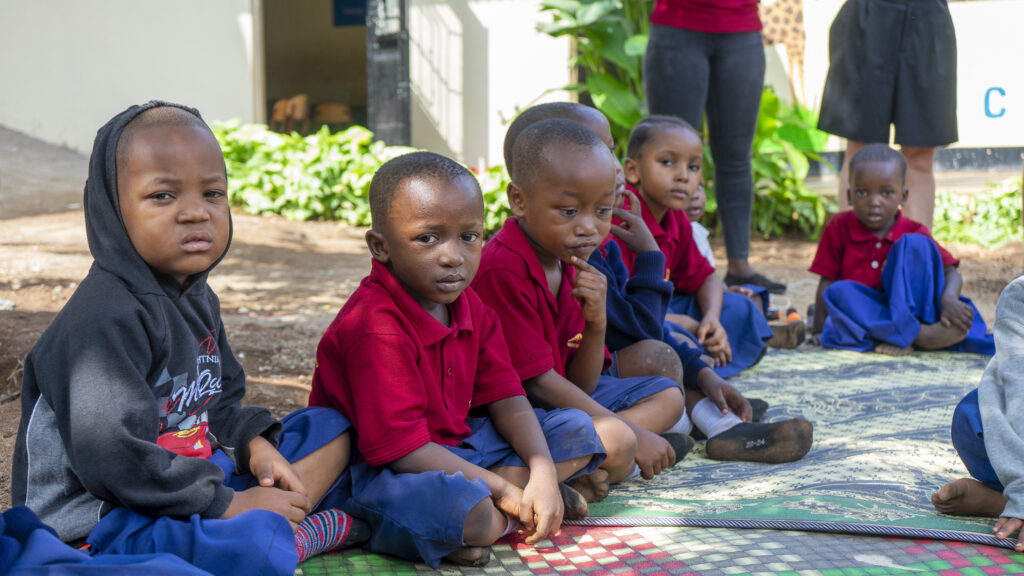
Where Is Moshi, and Why Does It Matter?
Moshi sits at the base of Mount Kilimanjaro in northern Tanzania, a region of breathtaking beauty and heartbreaking poverty. While tourists flock here to climb Africa’s most famous mountain, thousands of children in surrounding communities struggle daily with hunger, lack of educational resources, and limited access to healthcare. The Kilimanjaro region holds promise—good schools, motivated teachers, strong communities—but economic hardship keeps too many children from accessing these opportunities. When you choose to help kids in Moshi, you’re investing in a community poised for transformation, where your support creates ripples that extend far beyond individual children into families, neighborhoods, and future generations.
10 Powerful Ways to Support Children in Moshi From Anywhere in the World
1. Become a Monthly Donor: Transform a Life $25 at a Time
Twenty-five dollars. That’s less than most people spend on weekend coffee or streaming subscriptions. But in Moshi, twenty-five dollars monthly provides school supplies for an entire year, ensures a child eats nutritious meals for a week, and covers basic medical care when illness strikes. When you commit to monthly giving through charitable organizations in Moshi like Moshi Kids Centre, you create something magical: predictability. Schools can plan knowing fees will be paid. Families can breathe knowing medical emergencies won’t devastate them financially. Children can dream knowing their education won’t be interrupted.
Consider twelve-year-old Emmanuel, whose education nearly ended when his father fell ill. A monthly donor’s commitment kept him in school during that crisis. Today, Emmanuel is thriving academically, his family has stabilized, and he speaks about becoming a doctor—a dream that would have died without sustained support. Monthly giving isn’t dramatic or flashy, but it’s the backbone of sustainable change. It’s the difference between temporary relief and permanent transformation. Your consistent support becomes the foundation upon which children build entire futures. Set up a recurring online donation Tanzania today, and become the steady presence that changes everything for a child like Emmanuel.
2. Sponsor a Specific Child: Create a Bond That Crosses Oceans
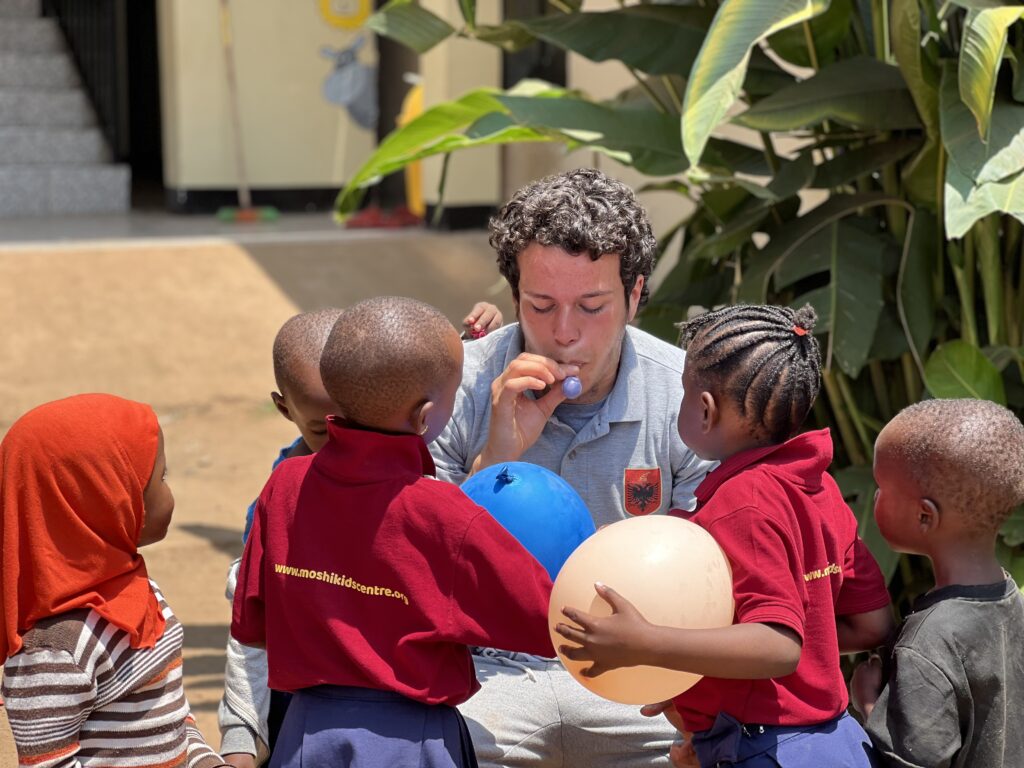
Child sponsorship creates something profoundly moving: a personal connection between your world and theirs. When you sponsor a child through organizations supporting NGOs supporting children in Moshi, you receive their photo, learn their story, read about their dreams, and watch them grow through regular updates and letters. Your sponsorship provides comprehensive support—education, healthcare, nutrition, and emotional encouragement—but the relationship often matters as much as the material support.
Ten-year-old Amina writes letters to her sponsor, Sarah, in Canada. Amina shares her exam results, describes her favorite subjects, and asks questions about snow because she’s never seen it. Sarah responds with encouragement, advice, and stories about her own childhood. This connection transforms both their lives. Amina knows someone across the world believes in her specifically, celebrates her achievements, and cares about her struggles. Sarah experiences the joy of watching a child flourish, knowing her support makes it possible. Child sponsorship isn’t anonymous charity—it’s relationship, investment, and love expressed through consistent commitment to one child’s potential reaching fruition.
3. Fund School Meals: Because Hungry Children Cannot Learn
Imagine trying to focus on mathematics when your stomach aches with hunger. Picture attempting to remember history lessons when you’re dizzy from not eating. This is the daily reality for thousands of children in Moshi who attend school on empty stomachs, their concentration shattered by malnutrition, their potential dimmed by lack of basic nutrition. School meal programs address this crisis directly, ensuring children arrive at learning with minds ready to absorb knowledge rather than distracted by physical hunger.
Your donation to school meal programs provides more than food—it provides dignity, energy, and the foundational health necessary for learning. Children who eat regular nutritious meals at school show dramatically improved academic performance, better attendance, stronger immune systems, and enhanced cognitive development. For many children, the meal served at school is the only reliable food they receive all day, making these programs literally life-sustaining. When you specifically designate donations for nutrition programs, you’re investing in the biological foundation that makes all other support—education, healthcare, emotional development—actually effective. A fed child is a child who can learn, dream, and build the future they deserve.

4. Organize a Virtual Fundraiser: Multiply Your Impact Through Your Network
Your friends, family, colleagues, and social media followers represent exponential impact potential. When you organize a virtual fundraiser for Moshi Kids Centre, you transform your individual compassion into collective action that reaches far beyond what any single person could accomplish alone. Virtual fundraising requires no event space, no logistics nightmares, just commitment to sharing a cause you care about with people who trust your judgment.
Birthday fundraisers on Facebook have revolutionized giving, allowing you to request donations instead of gifts, channeling celebration energy into life-changing support for children. Fitness challenges where friends pledge donations per mile you run combine personal health goals with charitable purposes. Virtual talent shows, online auctions, gaming marathons for charity—the creative possibilities are endless. One supporter organized a “12 Days of Christmas” campaign, posting daily stories about different children and raising over three thousand dollars. Another created a TikTok series teaching followers about Tanzania while encouraging donations. Your network is waiting to be activated. They just need you to show them how their contribution creates real change for real children with real dreams depending on support from people they’ll likely never meet but who change their lives forever.
5. Donate Educational Materials: Books, Supplies, and Digital Resources
While financial donations offer maximum flexibility, sometimes donors want to provide specific educational resources. Coordinating with Moshi Kids Centre, you can fund purchases of books, learning materials, and educational technology that directly enhance classroom experiences. Unlike shipping physical items internationally—expensive, inefficient, and often culturally inappropriate—funding local purchases supports Tanzania’s economy while ensuring materials meet actual educational needs.
Fifteen-year-old Juma’s school received donated tablets loaded with educational software through a supporter’s designated gift. For the first time, students in his rural school accessed the same digital resources available to children in Nairobi or New York. Juma discovered his passion for coding through these resources, skills opening doors to opportunities previously unimaginable. Educational materials aren’t just things—they’re tools unlocking potential, windows showing children worlds beyond their immediate experience, bridges connecting them to knowledge that transforms understanding. When you fund educational resources, specify your intentions to Moshi Kids Centre, and they’ll ensure purchases meet genuine needs while documenting the impact your gift creates in classrooms throughout the region.

6. Volunteer Your Professional Skills Remotely: Share Expertise, Change Lives
Not everyone can donate to children’s charity financially, but almost everyone possesses skills valuable to nonprofit organizations. Remote volunteering allows professionals to contribute expertise that would cost thousands of dollars to purchase commercially. Marketing professionals can manage social media, create content, and develop campaigns. Web developers can improve websites and donor management systems. Graphic designers can create compelling visual materials. Writers can craft grant proposals and impact reports. Accountants can provide bookkeeping support. Teachers can develop curriculum and training materials.
Maria, a marketing executive in Chicago, volunteers five hours monthly managing Moshi Kids Centre’s Instagram account, creating compelling content that has tripled their follower engagement and generated significant new donations. Her professional skills, donated remotely during evenings and weekends, create value far exceeding what her busy schedule allows for financial giving. If you have specialized expertise, reach out to discuss how you might contribute from home. The need for skilled volunteers is enormous, and your professional contribution can create infrastructure improvements benefiting children for years to come. Remote volunteering proves that contribution isn’t always measured in currency—sometimes it’s measured in skills, time, and willingness to share what you do best for causes you believe in most.
7. Share Their Stories on Social Media: Amplify Impact Through Awareness
Social media sharing costs you nothing but creates invaluable exposure for children who desperately need support. When you share Moshi Kids Centre’s posts, success stories, fundraising campaigns, and educational content, you introduce potentially hundreds or thousands of people to opportunities for meaningful giving. Social proof matters enormously in charitable behavior—people give more readily when they see others giving, and your endorsement carries weight with your network that organizational marketing never could.
Beyond simply sharing posts, add personal commentary explaining why you care, what moved you about this work, or how supporting children’s education in Tanzania connects to your values. Authentic personal endorsement inspires action far more effectively than impersonal algorithms. Use relevant hashtags like #SupportChildrenInTanzania, #EducationForAll, #MoshiKidsCentre to extend reach beyond your immediate network. Tag friends who might care deeply about children’s welfare or international development. Create Instagram stories showing your learning journey about Tanzania, child welfare, or specific children’s achievements. Your social media influence, however large or small, becomes a megaphone amplifying voices that desperately need hearing, stories that deserve telling, and opportunities that wait for people like you to make them visible to people like your followers.
8. Write to Elected Officials: Advocate for Development Funding
While individual giving transforms specific children’s lives, systemic change requires policy action and government funding for international development programs. Writing to your elected representatives about foreign aid, specifically funding for education and child welfare programs in East Africa, creates political pressure supporting larger-scale change. Politicians respond to constituent concerns, and coordinated advocacy from voters creates momentum for policy shifts.
Your letter doesn’t need sophisticated policy analysis—it needs authentic passion and personal connection to why international child welfare matters. Explain that you support children in Moshi personally and want your government increasing funding for programs that work. Share specific stories of impact you’ve witnessed. Ask for meetings or responses outlining their positions on development assistance. Join advocacy organizations focused on global education and child welfare, adding your voice to coordinated campaigns. Systemic advocacy complements individual giving, creating the policy environment where organizations like Moshi Kids Centre receive resources necessary for expanding reach and deepening impact. Your advocacy voice matters because politicians need to hear that constituents care about vulnerable children across the world, not just issues dominating domestic news cycles.

9. Leave a Legacy Gift: Impact That Outlives You
Estate planning conversations inevitably involve questions about legacy—what you leave behind, how you’ll be remembered, what continues after you’re gone. Including Moshi Kids Centre in your will creates impact extending decades beyond your lifetime, establishing educational funding, infrastructure improvements, or endowment support ensuring perpetual assistance for vulnerable children. Legacy gifts allow people to give larger amounts than possible during their lifetimes, creating transformational change impossible through annual donations alone.
Robert, a retired teacher in the UK, designated a portion of his estate to establish a scholarship fund for girls’ secondary education in Moshi. When he passed away, his gift created a fund supporting twenty girls annually through secondary school and university—impact continuing indefinitely, touching hundreds of lives over decades. Legacy giving isn’t only for the wealthy; even modest bequests create significant impact. Consult with estate planning professionals about including charitable bequests, and contact Moshi Kids Centre to discuss intentions ensuring your gift creates the specific impact you envision. Your legacy can be lives changed, dreams realized, and generations transformed—a future inheritance far more valuable than any material wealth.
10. Purchase Ethically and Support Fair Trade: Shopping That Creates Change
Consumer choices create economic ripples affecting communities across the world. When you purchase fair trade coffee from Kilimanjaro cooperatives, handmade crafts from Tanzanian artisans, or ethically sourced goods supporting community development, you’re channeling everyday spending into economic systems benefiting vulnerable families. Many parents of children in our programs work as coffee farmers, craft makers, or small-scale entrepreneurs whose livelihoods improve when international markets offer fair prices and ethical trading relationships.
Additionally, some businesses donate portions of proceeds to charitable causes. Shopping through Amazon Smile, using giving apps like Giving Assistant, or choosing companies with charitable commitments turns routine purchases into charitable contributions requiring no additional spending. While these individual contributions seem small, accumulated across many purchases and many consumers, they generate significant funding for organizations like Moshi Kids Centre. Conscious consumerism combines everyday life with charitable impact, proving that supporting children in Tanzania doesn’t require dramatic lifestyle changes—sometimes it just requires shopping slightly differently, choosing companies and products aligned with values you hold dear about justice, equity, and opportunity for all children regardless of where they’re born.
Frequently Asked Questions
Q: How do I know my donation actually reaches children in Moshi?
Reputable charitable organizations in Moshi like Moshi Kids Centre provide detailed impact reports, financial transparency, and regular updates showing exactly how donations support children’s education, health, and development. Look for organizations that share photos, stories, and measurable outcomes demonstrating accountability. Don’t hesitate to request financial statements or ask specific questions about fund allocation before giving.
Q: Is my donation to a Tanzanian charity tax-deductible?
Tax deductibility depends on your country’s laws and the organization’s registration status. In the US, donations to organizations with 501(c)(3) status are typically deductible. International donations may require additional documentation. Consult your tax advisor about specific deduction eligibility, and always request receipts documenting your charitable contributions for tax purposes.
Q: Can I visit Moshi to meet the children I support?
Many organizations welcome donor visits coordinated in advance through proper channels. However, visit protocols must prioritize child safety, dignity, and protection. Responsible organizations maintain strict child protection policies, supervise all interactions, and ensure visits benefit children rather than creating trauma or inappropriate relationships. Always coordinate visits officially through the organization rather than attempting independent contact.
Q: What's the difference between sponsoring a child and making general donations?
Child sponsorship creates personal connection with a specific child, providing regular updates, letters, and photos while funding comprehensive support for that individual. General donations allow organizations maximum flexibility allocating resources where most needed, funding programs benefiting many children simultaneously. Both approaches create valuable impact—sponsorship offers personal relationship, general giving offers strategic flexibility. Choose based on your preferences and giving goals.
Q: How much of my donation goes directly to children versus administrative costs?
Reputable organizations maintain low overhead while investing in professional infrastructure ensuring effectiveness. Expect legitimate administrative costs covering staff salaries, office operations, financial audits, and compliance—typically 15-25% of budgets. Beware organizations claiming zero overhead, which usually indicates either dishonesty or unsustainable operations. Ask organizations for financial breakdowns, and look for independent evaluations from charity watchdog organizations assessing efficiency and effectiveness.
A Child in Moshi Is Waiting
Right now, as you read these words, a child in Moshi is making an impossible choice. Walk to school hungry, or stay home and help family survive? Attend classes in torn uniform, bearing shame, or avoid school entirely? Dream of futures that seem impossibly distant, or accept limitations poverty imposes?
Grace is still walking those three kilometers. Emmanuel still needs support continuing toward his medical career dreams. Amina is still writing letters hoping someone will write back. Juma is still discovering possibilities through technology someone funded. Somewhere in Moshi, a child you haven’t met yet is hoping today is the day their life changes—the day someone decides their education matters, their health matters, their dreams matter.
That someone could be you.
You don’t need to solve every problem. You don’t need to save every child. You just need to start somewhere—with one donation, one sponsorship, one shared post, one letter to an official, one choice to care about children whose circumstances differ vastly from yours but whose hopes, fears, and dreams mirror your own children’s or your own childhood aspirations.
The children of Moshi aren’t waiting for heroes. They’re waiting for ordinary people making extraordinary choices to see them, value them, and invest in their potential.
Distance means nothing when compassion bridges the gap. Economic differences fade when generosity creates opportunity. The accident of birth—being born in London versus Moshi, Toronto versus Tanzania—needn’t determine destiny when people like you decide it won’t.
Choose today. Choose Grace. Choose Emmanuel. Choose Amina. Choose Juma. Choose the child whose name you don’t yet know but whose future you can help shape.
Visit Moshi Kids Centre today. Make your first donation. Sponsor your first child. Share your first post. Take your first step toward becoming someone’s hope realized, someone’s dream made possible, someone’s hero who never wore a cape but changed everything nonetheless.
A child in Moshi is waiting. Will you answer?
Take Action Now
Ready to support underprivileged children in Moshi? Choose your next step:
🎯 Donate Now – Make an immediate, life-changing impact
💙 Sponsor a Child – Build a personal, lasting connection
📧 Contact Us – Learn about remote volunteering opportunities
🌐 Visit Our Website – Explore programs and read success stories
📱 Share This Article – Help others discover how they can make a difference
Every child deserves a chance. Every dream deserves support. Every future deserves investment. Start creating change today.