

Moshi, nestled below the majestic Mount Kilimanjaro, is a place of scenic beauty—but it also hides a pressing, often invisible crisis: child malnutrition. In many parts of this region, school-age children struggle with stunting, underweight, and critical vitamin deficiencies. These are not dry statistics—they represent vibrant young lives hampered by hunger: children who can barely concentrate, who feel chronically fatigued, and who fall behind academically not due to lack of intelligence, but lack of nourishment.
Malnutrition goes beyond hunger; it’s a deprivation of nutrients necessary for brain development, physical health, and immune resilience. Lack of iron can lead to anaemia, lack of protein stunts growth, and deficiencies in vitamins A, C, and D can impair vision, bone growth, and resistance to infections. Parents—facing razor-thin budgets—resort to basic staples like maize or cassava porridge. This help fill stomachs but starve minds. That’s why our initiative aims to nourish children comprehensively—physically, mentally, emotionally—with every meal we serve.
Why Moshi Needs Urgent Nutritional Intervention

The need for intervention in Moshi is urgent. The first 1,000 days of life are critical—but school-age children can still experience remarkable recovery when nutrition is restored. Economic hardship, climate instability, and rising food prices exacerbate malnutrition. Many families cannot afford fresh produce, proteins, or dairy products, relying instead on highly processed or monotonous meals. As a result, poor health, low school attendance, and limited academic progress are common.
Schools, therefore, present a strategic opportunity: a safe environment where children can receive nutritious meals consistently. When children expect food at school, attendance rises, focus improves, and parents find relief. The cycle of hunger, absenteeism, and dropout begins to break. That’s exactly what our nutrition program seeks to achieve—turning schools into centres of nourishment and learning in partnership with educators, donors, local farmers, and volunteers.
Understanding the Importance of Child Nutrition
Good nutrition lays the foundation for optimal brain function, memory retention, and emotional resilience. On the flipside, hunger disrupts neural pathways, making concentration and learning difficult—even impossible. Imagine trying to memorize vocabulary words with an empty stomach—or solving math problems when you’re lightheaded from low blood sugar.
Our daily menus include fortified porridges for a slow-release energy boost in the morning, bean-and-rice meals for sustained fuel during the day, and nutrient-boosters like eggs, green vegetables, and fruit. This food strategy supports attention, memory, and mood. We see real-world classroom results: quieter, more attentive children engaging actively in lessons—and happier, more collaborative class dynamics.
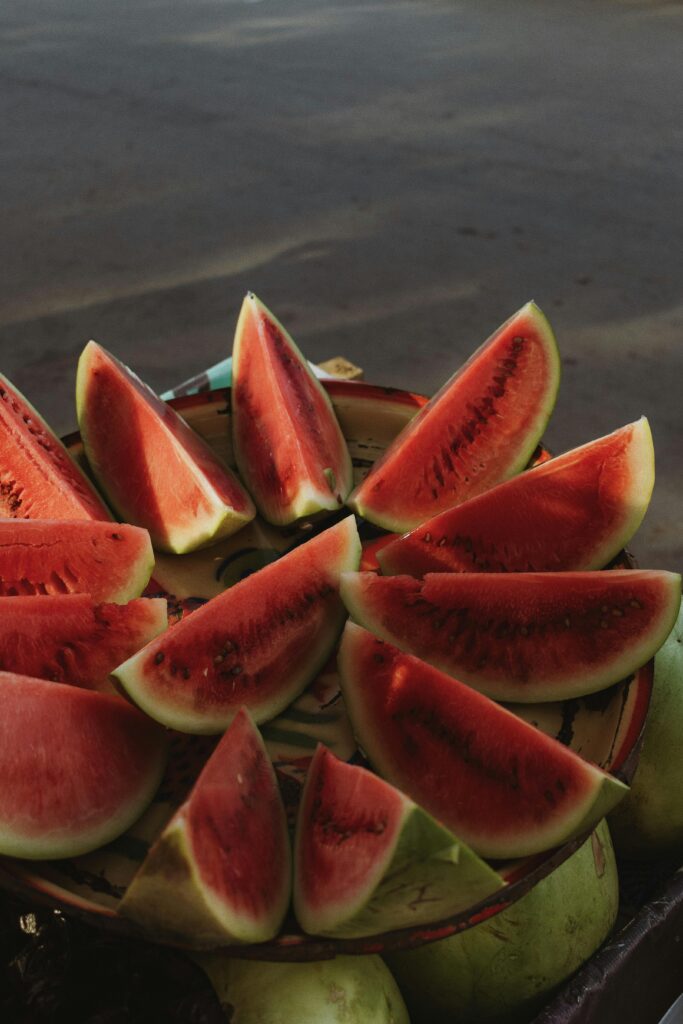
Long-Term Impact of Early Childhood Nutrition.
Investing in nutrition isn’t merely immediate relief—it’s a long-term investment in a child’s future. Children who are nourished early in life are likelier to finish school, avoid chronic illnesses, and break cycles of poverty. Conversely, malnutrition increases risks for cardiovascular disease, diabetes, and obesity later in life, reduces productivity, and limits opportunity.
In Moshi, our vision extends beyond today’s classrooms. We aim to cultivate a generation of healthy, educated individuals who can contribute economically and socially to their communities. With regular nutritious meals, we lessen future healthcare burdens, improve quality of life, and generate self-sufficiency.
Overview of Our School Feeding Program
Mission and Vision of the Nutrition Program.
Our mission is clear: no child in Moshi should learn on an empty stomach. Our vision: schools that nourish both minds and tummies. In collaboration with Zara Charity, local schools, community leaders, and international volunteers, we build a model grounded in dignity, cultural relevance, and sustainability. Each meal is more than food—it’s a message: you matter.
Our approach isn’t about one-off food distributions. It’s about building infrastructure—kitchens, supply chains, volunteer networks—and nurturing a self-sustaining ecosystem where students, families, and local producers all play active roles.
Daily Meal Plans: What Do the Kids Eat?
Every meal is tailored to support nutritional requirements and taste preferences. Breakfast typically features millet or maize porridge fortified with plant-based micronutrients and sometimes a drop of milk or peanut butter for protein. Lunch commonly includes beans and rice, cooked with local oil for healthy fats, with sides of leafy greens, fruit, or sweet potato. Occasionally, boiled eggs, avocado, or seasonal fruits like bananas or papayas are included to boost variety and nutrient intake.
We rotate menus weekly to ensure variety and palatability. Local cooks—often parents trained in food safety—prepare meals with care, preserving traditional Flavors. By using seasonal ingredients, we reduce costs and support local agriculture. At just around $0.50 per child per day, the impact is powerful and scalable.

Community Involvement and Local Sourcing.
Our community-cantered model is key to sustainability. We source produce from local farmers—bean cooperatives, vegetable growers, and small-scale dairy providers. This not only ensures freshness and reduces carbon footprint but economically empowers local households.
Parents and guardians are involved in every step—from cooking, serving, and cleaning kitchens to logistics and meal planning. Teachers coordinate attendance, record feedback, and bridge communication between home and program staff. Youth volunteers help with meal distribution and classroom assistance. This inclusive model builds trust, encourages hands-on ownership, and ensures cultural relevance.
Benefits of a School Based Nutrition Program
Hunger is a leading barrier to school attendance. But when children are offered a guaranteed meal, attendance improves dramatically. In Moshi, working with Zara Charity, we’ve witnessed attendance gains of over 20% in many schools. Students arrive on time and remain engaged throughout the day.
Globally, such programs have been shown to raise enrollment by up to 14%, increase test scores, and help close gender gaps in education. Our program mirrors these outcomes: children are staying in school, participating more actively, and showing better academic resilience.
For international donors, supporting this initiative means sustaining attendance, enabling education, and creating long-term change. Donating via Zara Charity’s donation page ensures contributions feed minds and support progress.
Improving Physical and Mental Health.
Children who once struggled with fatigue, frequent illness, or mood swings show remarkable transformations. Immunity improves, absenteeism drops, and energy levels rise. Teachers widely report fewer early fatigue complaints and more joyful, engaged learners.
Emotionally, eating well brings better moods, stronger peer interactions, and decreased anxiety. For growing children, the difference is tangible—they become healthier, more confident, and more socially connected thanks to consistent nourishment.
Empowering Parents and Guardians.
Consistent school meals ease the financial pressure on families. Parents no longer must choose between feeding their children or sending them to work. Instead, they share in meal preparation, planning, and evaluation—bolstering their sense of ownership and self-reliance.
Their participation ensures meals align with cultural practices and seasons, enhancing acceptance and long-term success. Supporting programs through Volunteer Tanzania and Zara Charity doesn’t just help children—it empowers entire families to hope and thrive.
How Every Contribution Counts.
From a donation of $15 feeding a child for a month to larger gifts funding dozens or hundreds of meals, every contribution matters. Local sourcing, volunteer labor, and efficient kitchens minimize overhead. Your support translates directly into food, nourishment, and school days.
Whether you’re an individual donor abroad, a corporate sponsor, or a foundation, your gift supports multiple children, multiple classrooms, and entire communities. At zaracharity.org/donate, you can choose sponsorship tiers—feed one child, feed a classroom, or fund community expansion.
Partnering with Local and International Donors.
Our impact is powered by partnerships. Local businesses provide ingredients and support infrastructure. International donors offer financial support, expertise, and logistics. Volunteers from Volunteer Tanzania help implement, monitor, and expand projects in real time.
If you’re overseas and want to make tangible change, this program offers scalable impact—with data-backed results, transparent operations, and a network of support. Visit Volunteer Tanzania’s volunteer page to host visits, training, or project collaborations.
Transparency and Accountability in Fund Usage.
We prioritize donor trust. Donations are tracked, budgets are published, and quarterly reports—with outreach numbers, meal counts, and financial breakdowns—are shared. Annual audits reinforce accountability. We invite donors to request customized impact summaries or financial briefings.
For full transparency, visit the financial disclosures on zaracharity.org/about-us. Here you’ll find detailed breakdowns of funds spent, meal costs, and expansion plans.
your support means a lot
Our school-feeding program is more than food on a plate—it’s opportunity, health, education, and dignity. In Moshi, children once held back by hunger now attend school regularly, focus in class, and dream for their futures. Parents find relief. Communities grow stronger. Donors see their support turn into real-world impact.
Your support—through a meaningful donation or joining as a volunteer—creates a chain reaction of change. Each meal becomes a building block: for education, for health, and for empowerment. Join Zara Charity and Volunteer Tanzania in planting seeds of transformation in Moshi—and watch them bloom for generations to come.
Frequently Asked Questions (FAQs)
- How much does it cost to feed one child per month?
Approximately $15, based on local sourcing, efficient preparation, and volunteer support. - Can I volunteer abroad with the program?
Yes! Volunteers can join hands-on via Volunteer Tanzania, supporting cooking, logistics, community outreach, and training. - Can I review how my donation is used?
Absolutely! We provide quarterly impact reports and annual audits. Customised summaries are available on request. - How are meals sourced and prepared?
Food is purchased from local farmers and cooperatives. Meals are cooked by trained community cooks in school kitchens, using safe and culturally appropriate methods. - How can I donate to support the nutrition program?
Visit Zara Charity’s donation page to contribute securely and choose your level of sponsorship. - Is the program sustainable in the long run?
Yes. Through local sourcing, volunteer participation, community buy-in, and transparent management, the program is designed to sustain and scale. - How many schools and children are currently served?
As of July 2025, we serve over 10 schools and nearly 1,200 children monthly—with plans to expand significantly by 2026.