
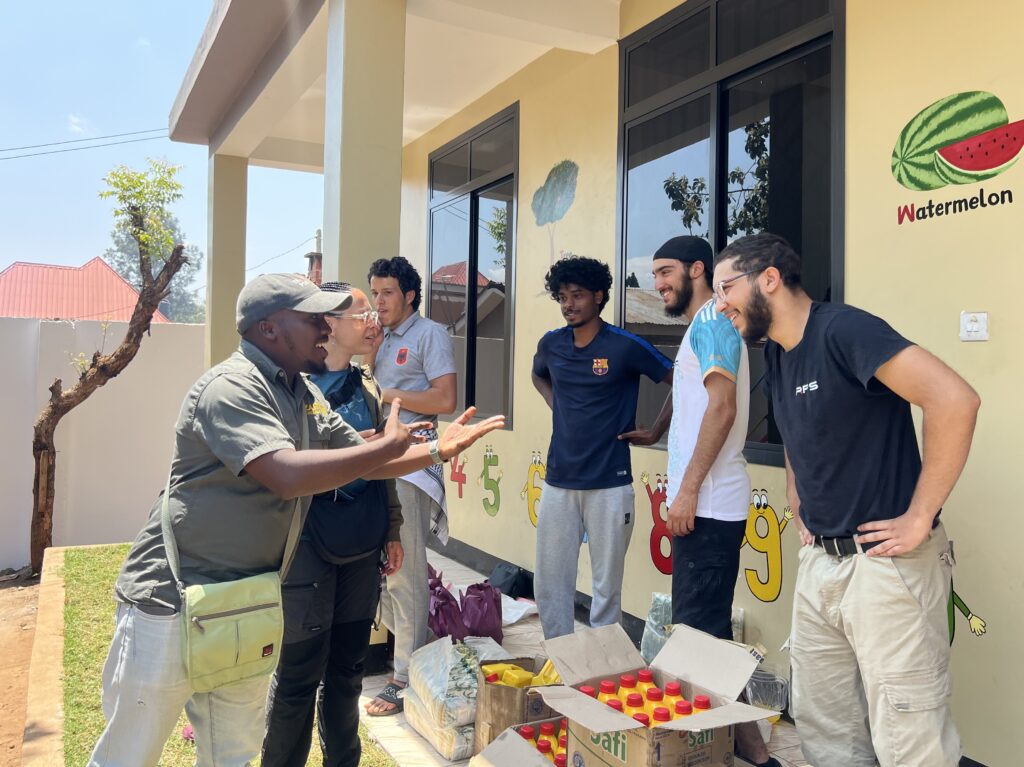
In the shadow of Mount Kilimanjaro, where the air carries whispers of ancient tales and the promise of tomorrow, the Moshi Kids Centre stands as a fortress of hope. Run by Zara Charity Tanzania, this vibrant hub serves underserved children and families in Moshi’s communities. It offers more than education and nutrition—it builds unbreakable resilience. Disaster preparedness training equips kids and parents with life-saving skills. These programs tackle natural threats like floods and droughts, common in Tanzania’s changing climate. By teaching evacuation plans and water conservation, the Centre turns fear into strength. In a world of rising risks, these efforts ensure children not only survive but lead with confidence. Moshi Kids Centre resilience programs shine as a beacon for climate education for kids.
Tanzania's Growing Climate Vulnerabilities
Tanzania faces fierce battles from nature’s fury. Climate change amplifies floods, droughts, and landslides. In 2024, heavy rains unleashed devastation across the nation. Floods and landslides claimed over 150 lives, injured hundreds, and damaged thousands of buildings. In Pwani and Morogoro regions, 76,700 hectares of farmland drowned, displacing 10,800 households. Rufiji district alone saw 34,000 hectares of crops lost, leaving tens of thousands without food or shelter. Over 210,000 people suffered, with 161 deaths and 250 injuries reported. Schools closed, affecting 1,900 children, as waters rose from the Rufiji River.
Droughts strike just as hard. Northern Tanzania, including Kilimanjaro near Moshi, endures erratic rains and rising temperatures. From 2020 to 2023, prolonged dry spells scorched lands, slashing crop yields and livestock herds. In Dodoma and semi-arid zones, families trek miles for water, risking health and safety. Children bear the brunt: malnutrition rises, with over 920 million kids globally exposed to water scarcity, many in Africa. In Tanzania, droughts fuel diarrhoea and cholera outbreaks, hitting kids under five hardest—11.4% of cases. These events disrupt school, deepen poverty, and strain communities. Yet, they highlight the urgent need for disaster preparedness Tanzania initiatives. Without action, vulnerable families in Moshi face endless cycles of loss.
Moshi’s unique spot amplifies risks. Nestled in Kilimanjaro’s foothills, it battles both floods from heavy “long rains” (March-May) and droughts from failed monsoons. The area’s rivers swell unpredictably, while volcanic soils dry fast in heat. Deforestation worsens it—400,000 hectares lost yearly nationwide, eroding flood barriers and rain-attracting forests. For children, who make up 51% of Tanzania’s population, these threats mean missed meals, flooded homes, and lost futures. Climate education for kids isn’t optional—it’s survival.
Hands-On Training: Mock Drills and Safety Skills
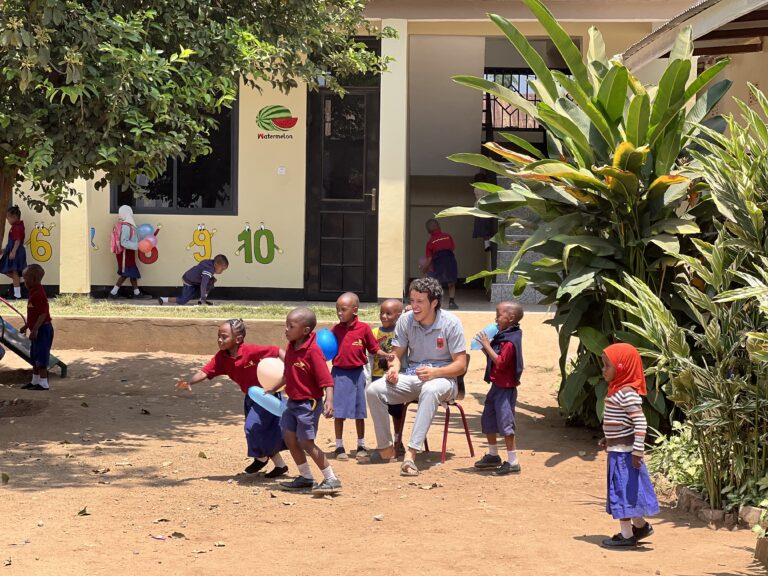
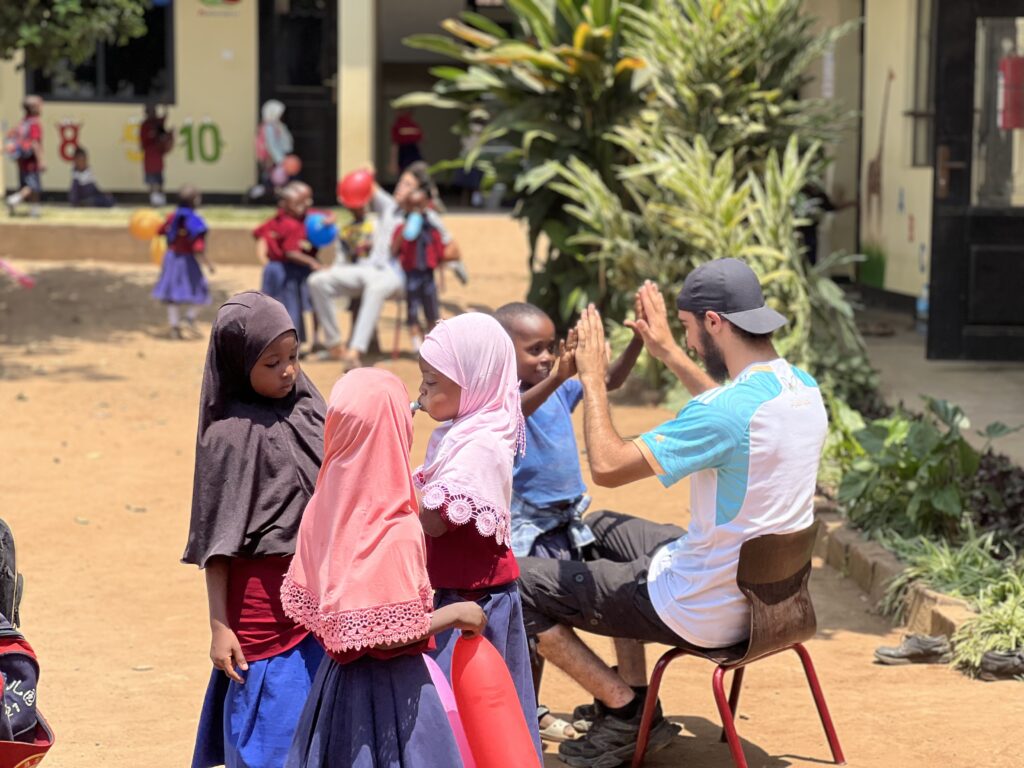
At Moshi Kids Centre, resilience starts with play. Weekly disaster preparedness workshops engage 3-12-year-olds in fun, practical drills. Over 600 children have built skills through these sessions, part of Zara Charity’s holistic programs. A typical flood mock drill begins with a story: facilitators use puppets to act out rising waters from the nearby Pangani River. “Remember the three E’s: Evacuate early, Elevate valuables, and Educate your family!” they chant.
Kids practice evacuation: they grab “go-bags” with water bottles and ID cards, then dash to a safe hill mock-up in the playground. Timers add thrill—can they reach safety in under two minutes? For droughts, sessions teach water conservation: simple games show rationing drops, like filling buckets without waste. Children learn to spot drought signs—cracked soil, wilting plants—and build rainwater collectors from recycled bottles.
Dental and hygiene ties in too: clean water saves lives during crises. One drill integrates handwashing after “flood swims” to prevent cholera. Parents join evening sessions, learning family plans. A 9-year-old participant beamed, “I taught my little brother to hide under a table during shakes!” These activities, inspired by national Education in Emergency initiatives, empower kids as community leaders. By tailoring to Moshi’s floods and droughts, the Centre fosters true preparedness.
Workshops evolve with seasons. During dry spells, focus shifts to fire safety and crop-saving tips. Guest experts from Tanzania Red Cross lead advanced sessions, like tying knots for shelters. Certificates reward completers, boosting pride. Teachers note calmer kids during real rains—fewer panics, more action. This hands-on approach makes disaster preparedness Tanzania real, not abstract.

Infrastructure and Tools for Everyday Readiness
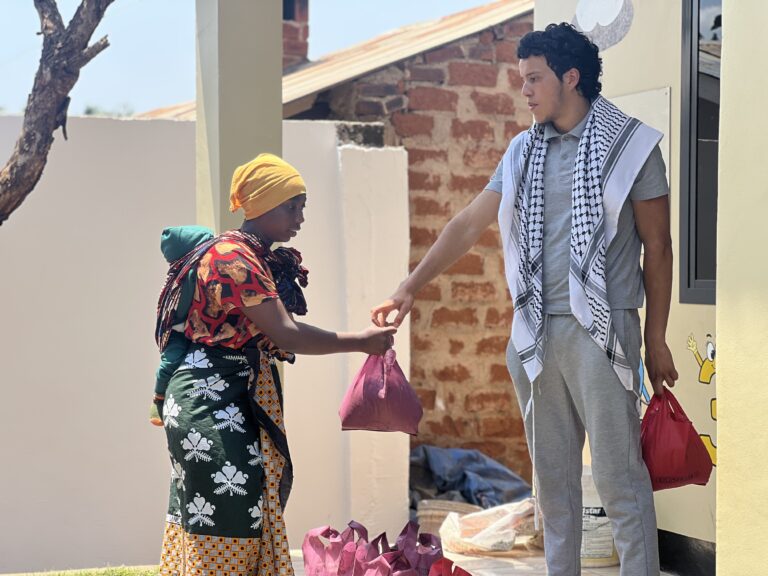
Resilience needs roots. The Centre equips families with emergency kits: whistles, flashlights, non-perishable foods, and first-aid supplies. Donated by partners, these reach 400 households yearly. Handwashing stations double as water storage points, vital for droughts.
Community maps mark safe zones—elevated spots away from flash-flood paths. Solar lamps combat night evacuations, while tree-planting drives restore soil moisture. A new rainwater harvesting system collects 5,000 liters per season, teaching conservation hands-on. These tools cut risks: post-2024 floods, prepared families evacuated faster, saving homes.
For girls, kits include sanitary pads—menstrual hygiene doesn’t pause in crises. This infrastructure, backed by Zara Charity, aligns with national strategies like the 2022 Disaster Management Plan. It turns Moshi Kids Centre resilience programs into lifelines.
Voices from the Community: Leaders Weigh In
Local voices echo the programs’ power. Village elder Juma Kweka, a longtime partner, shared: “These trainings saved lives in last year’s rains. Kids led evacuations—our future guardians.” A mother from a flood-hit home added, “My daughter rationed our water during the dry weeks. She’s my hero now.”
Kilimanjaro Regional Commissioner Aida Mussa praised: “Moshi Kids Centre fills gaps in climate education for kids. Their drills build trust and action—key for our vulnerable spots.” These testimonials, from workshops and mobile clinics, show impact. As one teacher put it, “Fear fades when kids know what to do.” Community buy-in ensures programs endure.
Partnerships Fueling Broader Change
No effort stands alone. Zara Charity collaborates with Tanzania Red Cross for drills and UNICEF for child-focused curricula. UNDP supports water projects, echoing 2025’s $300 million World Bank boost for early warnings. Local NGOs like Save the Children integrate resilience into health drives.
Zara Tanzania Adventures channels tourist funds for kits. These ties extend reach: mobile teams hit remote villages, training 200 families quarterly. Together, they advance disaster preparedness Tanzania, blending local wisdom with global tools.
Stories of Strength: Kids Leading the Way
Real tales inspire. Little Zawadi, 7, spotted a flash-flood risk during 2024 rains. Her Centre-learned warning evacuated 20 neighbors. “I felt like a superhero,” she said. Her family, once drought-hit, now harvests from a shared rainwater garden.
Or take Elias, 11, who during a dry spell organized a water-sharing club. Inspired by workshops, he taught peers conservation tricks, easing shortages. His mother noted, “He turned our worry into wisdom.” Over 70% of trainees report confident responses to mock crises, per Centre surveys. These stories prove: empowered kids uplift all. In Moshi, resilience blooms from small seeds.
Challenges Ahead and Bold Visions
Hurdles remain. Funding gaps limit kit distribution; climate shifts demand constant updates. Moshi’s terrain—steep slopes, remote paths—complicates drills. Yet, the Centre innovates: app-based alerts for early warnings, youth-led monitoring.
Future goals soar. By 2027, reach 1,200 kids with advanced simulations. Partner for solar purifiers against drought water woes. Expand to school clubs, weaving climate education for kids into daily lessons. With support, these visions turn risks into opportunities. Tanzania’s National Strategy 2022-2027 guides this path, prioritizing child involvement.
The Lasting Impact of Resilience Building
Preparedness weaves a safety net. It slashes injury risks by 40% in drills, per global data. Healthier kids attend school; families farm smarter. Economically, it cuts losses—2024 floods cost billions, but resilient spots fared better. Environmentally, conservation curbs deforestation’s flood-drought loop.
Moshi Kids Centre resilience programs model holistic care. They blend skills, tools, and heart, fostering leaders who champion sustainability. In Africa’s climate fight, such efforts spark hope.
Step Up: Fund Resilience Today
Your help builds unbreakable futures. Donate $25 for a child’s go-bag—whistle, water pouch, and guide. $100 outfits a family kit; $500 trains a village. Funds buy materials, expand drills, stock emergencies.
Donate to Resilience Programs | Sponsor a Workshop
Dive into our environmental initiatives or community events. Together, champion disaster preparedness Tanzania. Empower Moshi’s kids—one plan, one drop at a time