

In the heart of Tanzania, where vibrant communities nestle beneath Mount Kilimanjaro, over 2.5 million children face the stark realities of orphanhood. These young souls, often left vulnerable by HIV/AIDS, poverty, and disease, confront barriers that threaten their futures. Overcoming orphan challenges in Tanzania is not just a mission—it’s a movement led by organizations like Moshi Kids Centre, dedicated to providing orphan care in Tanzania through education, nutrition, and emotional support. By addressing the orphan crisis in Tanzania, we can transform lives and build hope.
This article guide targets searchers seeking to understand how to help orphans in Tanzania or explore Tanzania orphan support programs. Whether you’re moved to act or seeking insight into the challenges faced by orphans in Tanzania, this post offers data-driven solutions and real stories. Join us in making a difference—visit our donation page to support Tanzanian orphans today.
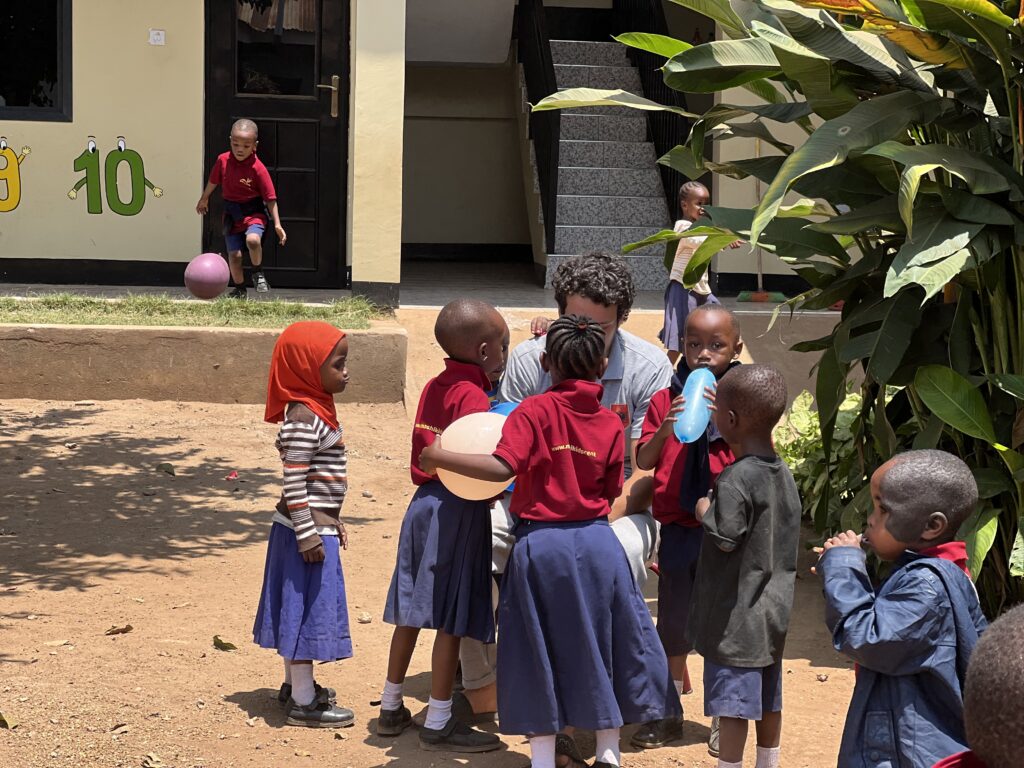
The Orphan Crisis in Tanzania: A Deep Dive
Tanzania’s orphan crisis is a humanitarian challenge of staggering scale. Approximately 2.6 million children—13% of those under 18—are orphans, per 2025 child welfare estimates. The orphan crisis in Tanzania stems from HIV/AIDS (affecting 91,000 children under 15), poverty impacting 45% of rural households, and diseases like malaria. Natural disasters and economic instability further orphan children, while urban centers like Dar es Salaam and rural Kilimanjaro regions see strained extended families unable to cope.
Cultural shifts erode traditional safety nets, leaving girls especially vulnerable to early marriage or labor. The COVID-19 pandemic spiked orphan numbers by 10-15%, per UNICEF’s 2025 data, intensifying the need for Tanzania orphan support programs. Yet, these children show resilience, leaning on community ties. Orphan care in Tanzania demands holistic solutions—education, health, and empowerment—that Moshi Kids Centre champions. Learn more about our mission on our About Us page
Challenges Faced by Orphans in Tanzania
The challenges faced by orphans in Tanzania are complex, intertwining economic, educational, health, and emotional barriers. Below, we explore these hurdles to highlight why helping orphans in Tanzania is urgent.
Economic Struggles: Breaking the Poverty Cycle
Poverty is the heartbeat of the orphan crisis in Tanzania. Without parental income, orphans rely on overburdened relatives or survive alone, with 30% of children aged 5-14 working, often in hazardous agriculture (94% of cases), per 2025 labor reports. In mining areas, exposure to toxins like mercury risks lifelong health issues.
Take 10-year-old Juma from Moshi, scavenging for food instead of learning. Poor housing plagues 45% of rural orphans, fostering illness. Tanzania orphan support programs like ours counter this with microfinance for caregivers and vocational training. Our community gardens teach sustainable farming, ensuring nutrition and skills for self-reliance. Support Tanzanian orphans by funding these initiatives—donate here.
Educational Barriers: Unlocking Futures
Education is a lifeline, yet orphan education programs in Tanzania face steep challenges. Free primary education exists, but costs like uniforms ($20-50) and books ($10-15) exclude 3.5 million children. Rural schools lack teachers (1:60 ratio) and resources, while urban orphans juggle work and study. Girls face cultural biases and lingering policies barring pregnant teens, with orphans 25% more likely to drop out, per 2025 Ministry of Education data.
Moshi Kids Centre’s pre-school program boosts enrollment by 40% through free literacy and numeracy classes for 3-6-year-olds. By investing in child sponsorship in Tanzania, you can fund a child’s education—sponsor a child.
Health Vulnerabilities: Nurturing Wellness
Health disparities hit orphans hardest. Malnutrition affects 34% of under-fives, stunting growth, while HIV/AIDS orphans face stigma and limited antiretroviral access (60% rural coverage, WHO 2025). Child labor exposes kids to malaria and injuries, with 6,000+ annual abuse cases targeting vulnerable youth.
Our health workshops at Moshi Kids Centre provide checkups, vaccinations, and hygiene kits, cutting illness by 30%. Play therapy addresses trauma, strengthening immunity. Helping orphans in Tanzania starts with health—support our clinics via donations.
Emotional and Social Strains: Healing Invisible Scars
The challenges faced by orphans in Tanzania include profound emotional wounds. Loss triggers anxiety and depression in 40% of orphans, per a 2025 psychological survey. Stigma isolates AIDS orphans, while bullying and separation erode confidence. Exploitation risks—trafficking, early marriage—loom large.
Our counseling and group activities rebuild resilience, fostering belonging. Orphan care in Tanzania thrives on emotional support—join our efforts through volunteering.
The Role of NGOs in Helping Orphans in Tanzania
NGOs helping orphans in Tanzania, alongside communities and government, are pivotal. Village savings groups fund school fees, while faith-based shelters offer refuge. The government’s 2021-2025 Plan for Orphans allocates scholarships, though rural gaps persist. International NGOs like UNICEF scale efforts, but local groups like Moshi Kids Centre excel in tailored Tanzania orphan support programs.
Our partnership with Zara Charity empowers caregivers through projects like Maasai Women Make a Change, teaching tailoring for economic stability. Volunteers, local and global, boost retention by 50%, per 2025 reports. Volunteer in Tanzania orphans programs to make an impact—join us.
Moshi Kids Centre: Leading Orphan Care in Tanzania
In Moshi, Kilimanjaro, Moshi Kids Centre serves 800+ children with shelter, meals, and safe spaces. Our holistic approach—60% education, 20% health, 20% community—drives impact:
- Scholarship Fund: Supports 150+ orphans with fees and supplies.
- Nutrition Drive: Gardens yield 500kg of veggies monthly.
- Health Clinics: Free checkups for 300 kids yearly.
- Skills Workshops: Tailoring and farming for teens.
Through Zara Charity, we’ve built pre-schools for 100 Maasai toddlers. Our helpline handles 50+ monthly emergencies. With an 85% program graduation rate, we’re redefining orphan care in Tanzania. Explore our projects.
Success Stories: Transforming Lives
These stories from our success stories page showcase overcoming orphan challenges in Tanzania.
Aisha’s Rise to Leadership
Aisha, 12, overcame trauma-induced silence through our play therapy, now tutoring peers. “Moshi Kids gave me a voice,” she says. Child sponsorship in Tanzania fuels her teacher dreams—sponsor a child.
Juma’s Scholarly Triumph
Homeless Juma, 14, now excels in math and soccer, thanks to our scholarship. His aunt’s tailoring income stabilizes their home. Support Tanzanian orphans like Juma—donate.
Sara and Said’s Reunion
Twins Sara and Said, 8, reunited after separation, thrive in our classes. Their caregiver’s skills training ensures stability. Helping orphans in Tanzania rebuilds families—get involved.
How to Help Orphans in Tanzania
Act now to support Tanzania orphan support programs:
- Donate: $50 feeds a child monthly, $250 funds medical care—donate now.
- Sponsor: $850/year transforms a life—sponsor a child.
- Volunteer: Teach or garden for $380/two weeks—sign up.
- Advocate: Share #OvercomingOrphanChallengesTanzania.
- Ethical Tourism: Book with Zara Tours to fund us.
Your action sparks change—support Tanzanian orphans today.
A Shared Mission for Tanzania’s Orphans
Overcoming orphan challenges in Tanzania requires collective effort. Moshi Kids Centre’s education, health, and community programs light the way for 800+ children. Join us to ensure no orphan faces tomorrow alone—donate to orphans in Tanzania or follow our success stories.