
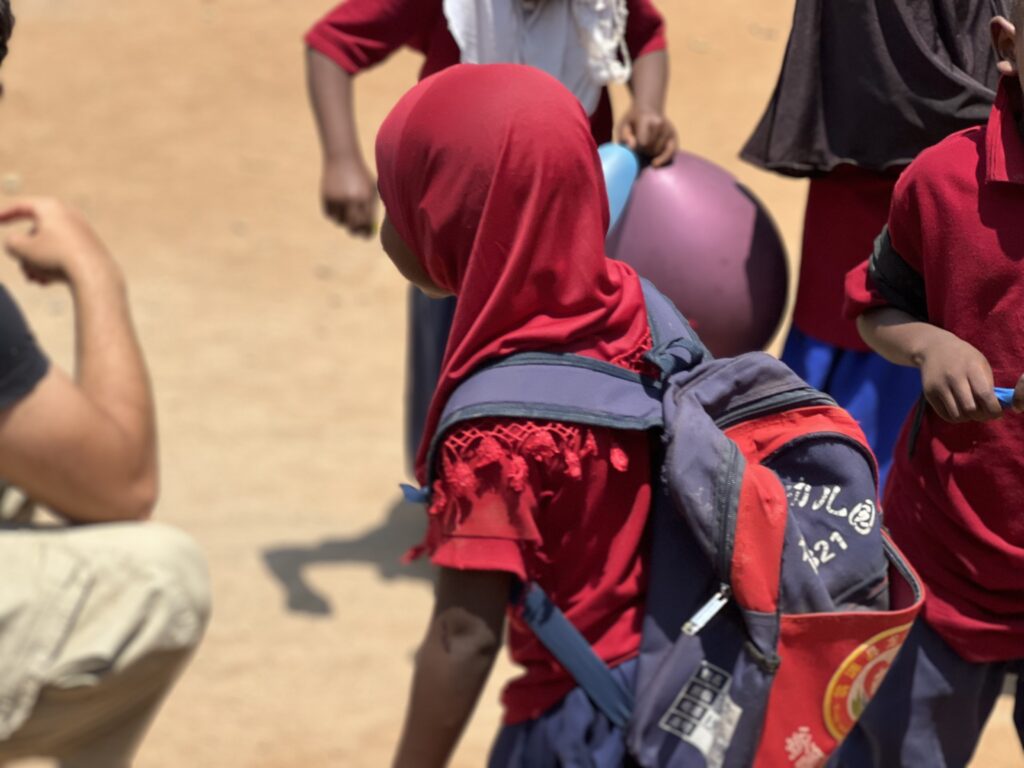
A Letter That Changed Everything
In the heart of Moshi, Tanzania, 12-year-old Amina sat at a wooden desk in the Moshi Kids Centre, her eyes sparkling as she opened her first pen-pal letter from Sarah, a student in Chicago. “Dear Amina,” the letter began, “I love playing soccer and reading adventure books. What’s your favorite thing to do?” For Amina, who dreams of becoming a teacher, this simple letter was a window to a world beyond her village—a chance to connect, learn, and share her story.
The Moshi Kids Centre’s Cultural Exchange Program is transforming lives by connecting children in Tanzania with global supporters through letters, videos, and virtual calls. This innovative initiative fosters cultural understanding, builds confidence, and empowers kids with skills like English proficiency. In a country where only 30% of children complete secondary education (UNESCO, 2024), programs like this are vital for opening new horizons. Whether you’re a donor, educator, or global citizen, this program invites you to join a movement that bridges continents and hearts. Let’s explore how Moshi Kids Centre is making this happen.
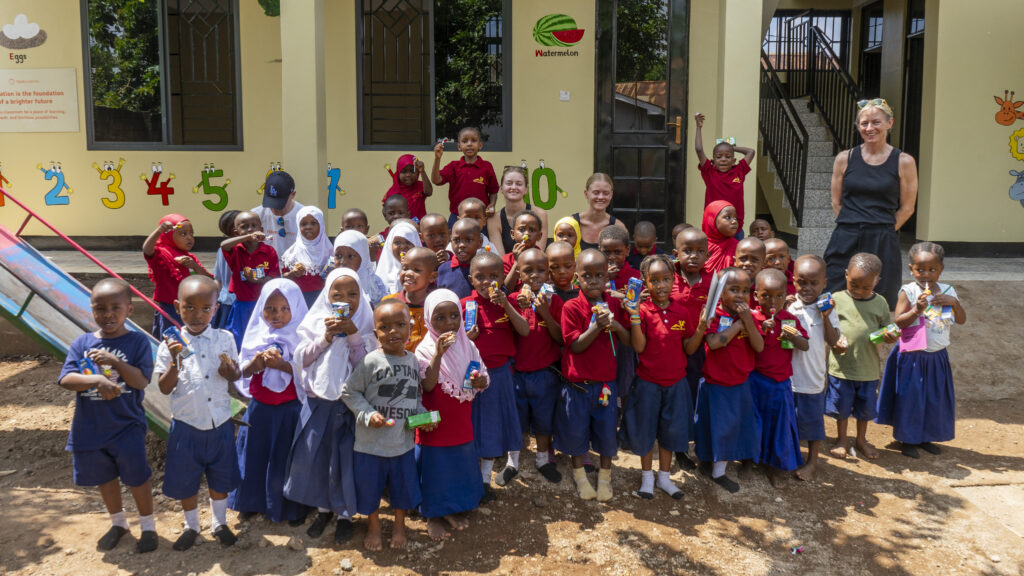
Why Cultural Exchange Matters
Cultural exchange is more than just swapping stories—it’s a powerful tool for education and empowerment. For the children at Moshi Kids Centre, many of whom come from underserved communities, the program offers unique benefits:
Improved English Skills: Writing letters or speaking in virtual calls helps kids practice English, a critical skill for academic and professional success in Tanzania, where English is the language of secondary education.
Global Awareness: Learning about life in places like the US, UK, or India broadens perspectives, inspiring kids to dream big and understand diverse cultures.
Confidence and Connection: Sharing their stories with international pen-pals or supporters boosts self-esteem and fosters a sense of belonging in a global community.
For international supporters, the program is equally rewarding. Donors and schools gain a personal connection to the children they support, making their contributions feel tangible and meaningful. A teacher from a partner school in London shared, “Our students were thrilled to learn about Tanzanian culture from their Moshi pen-pals. It’s a two-way learning experience.”
Globally, cultural exchange programs align with growing interest in education equity. According to UNESCO, Tanzania faces challenges like limited access to secondary education, particularly for girls. By connecting Moshi kids with global supporters, the program addresses these gaps while fostering mutual understanding. It’s a win-win that bridges cultures and builds brighter futures.

A Day in the Program: Stories of Connection
Imagine a bustling classroom at Moshi Kids Centre, where children gather around laptops for a virtual call with a school in Toronto. The room buzzes with excitement as 10-year-old Juma waves at the screen, describing his favorite Tanzanian dish, ugali, to his new friends. Across the ocean, Canadian students share stories about ice hockey and snowy winters, sparking laughter and curiosity.
This is the magic of the Cultural Exchange Program. Here’s a glimpse into how it works:
Pen-Pal Letters: Amina’s story is one of many. She exchanges monthly letters with Sarah, her Chicago pen-pal. In one letter, Amina wrote, “I love dancing to Taarab music and helping my mom cook chapati. What’s your favorite food?” Sarah’s reply, filled with details about pizza and her pet dog, sparked a friendship that’s grown over months. These letters, guided by Moshi Kids Centre teachers, help children practice writing and express their creativity.
Virtual Events: Last month, Moshi Kids Centre hosted a virtual cultural fair with a school in Berlin. Children performed traditional Tanzanian dances, while German students shared a virtual tour of their city. Over 50 participants joined, and the event ended with a Q&A where kids asked each other about their dreams and daily lives.
Video Exchanges: For supporters without time for live calls, kids create short videos sharing their hobbies or school projects. Donors receive these videos, often responding with their own clips, creating a dynamic exchange.
These activities aren’t just fun—they’re transformative. Amina’s teacher, Ms. Fatuma, noted, “Since joining the program, Amina’s English has improved dramatically, and she’s more confident speaking up in class.” For donors, these interactions make their support feel personal. One US donor said, “Receiving a letter from my pen-pal, Joseph, brought tears to my eyes. I feel like I’m part of his journey.”
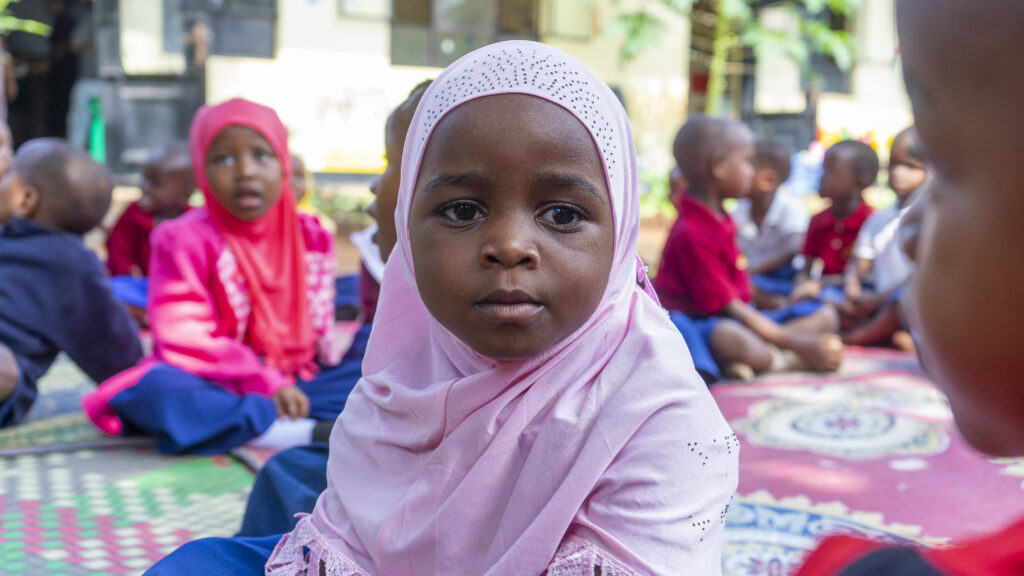
Impact and Growth: Building Bridges
Since its launch, the Cultural Exchange Program has connected over 100 Moshi kids with supporters and schools across 10 countries. Here are some key impacts:
Engagement: Over 500 letters have been exchanged, with 80% of participating children showing improved English skills, according to teacher assessments.
Global Reach: Partnerships with schools in the US, Canada, UK, and Germany have created a network of 200+ international participants.
Donor Growth: The program has inspired a 15% increase in recurring donations, as supporters feel more connected to the children’s stories.
One success story is 14-year-old Zawadi, who dreams of becoming a doctor. Through her pen-pal exchange with a medical student in Australia, she’s learned about healthcare careers and gained confidence in her goals. “My pen-pal told me I can achieve anything if I study hard,” Zawadi shared. “Now I want to help people in my village.”
The program’s growth is just beginning. Moshi Kids Centre plans to expand partnerships with organizations like PenPal Schools and ePals, aiming to reach 500 children by 2026. By sharing these stories on platforms like X with hashtags like #MoshiKidsCentre and #TanzaniaEducation, the Centre is building a global community of supporters.
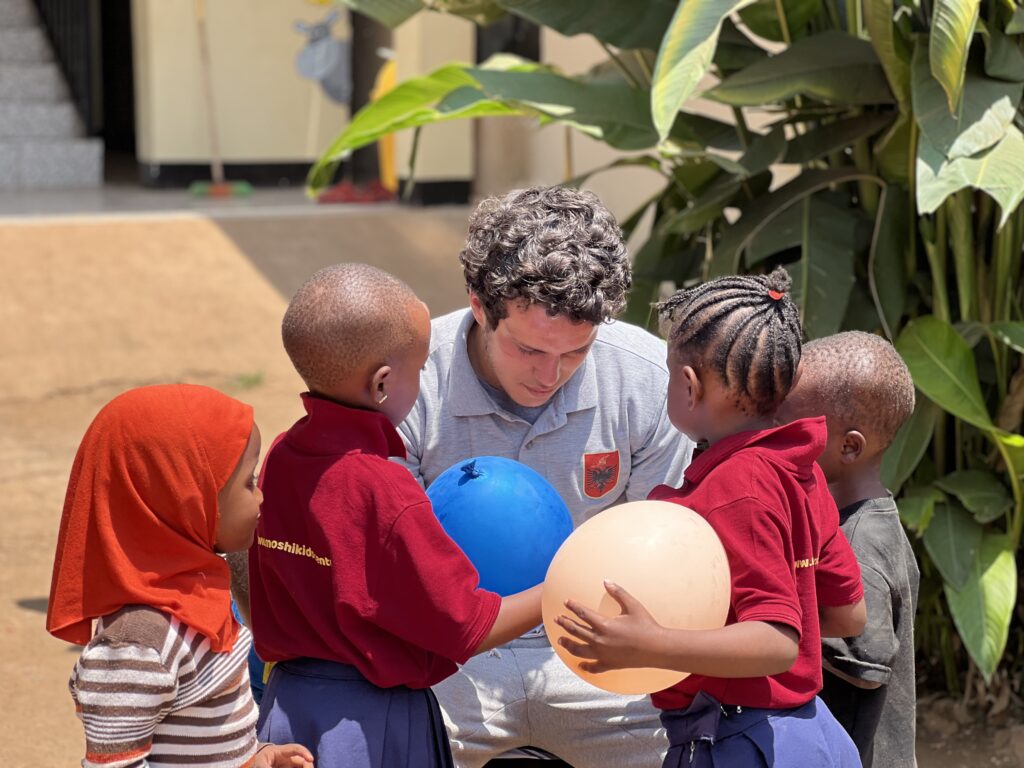
How to Get Involved
Ready to make a difference? Here’s how you can join the Cultural Exchange Program:
Become a Pen-Pal: Sign up to exchange letters or videos with a Moshi child. It’s a fun way to share your culture and support their education. Join here.
Donate to the Program: Your contributions fund resources like stationery, internet access, and teacher support for the exchanges. Donate now.
Partner as a School: Connect your classroom with Moshi Kids Centre for virtual events or group exchanges. Email info@moshikidscentre.org to get started.
Spread the Word: Share this post on X with #SupportAfricanKids to inspire others to join the movement.
Every letter, video, or call makes a difference. As one donor put it, “This program isn’t just about giving—it’s about building friendships that change lives.”
A World Connected by Kids
The Moshi Kids Centre Cultural Exchange Program is more than an initiative—it’s a bridge between cultures, a spark for dreams, and a testament to the power of connection. From Amina’s first letter to Zawadi’s growing confidence, these stories show how small actions can create big change. Join us today to connect with a child in Tanzania and be part of a global movement for education and understanding.
Pingback: Transforming Education in Tanzania | Moshi Kids Centre.