
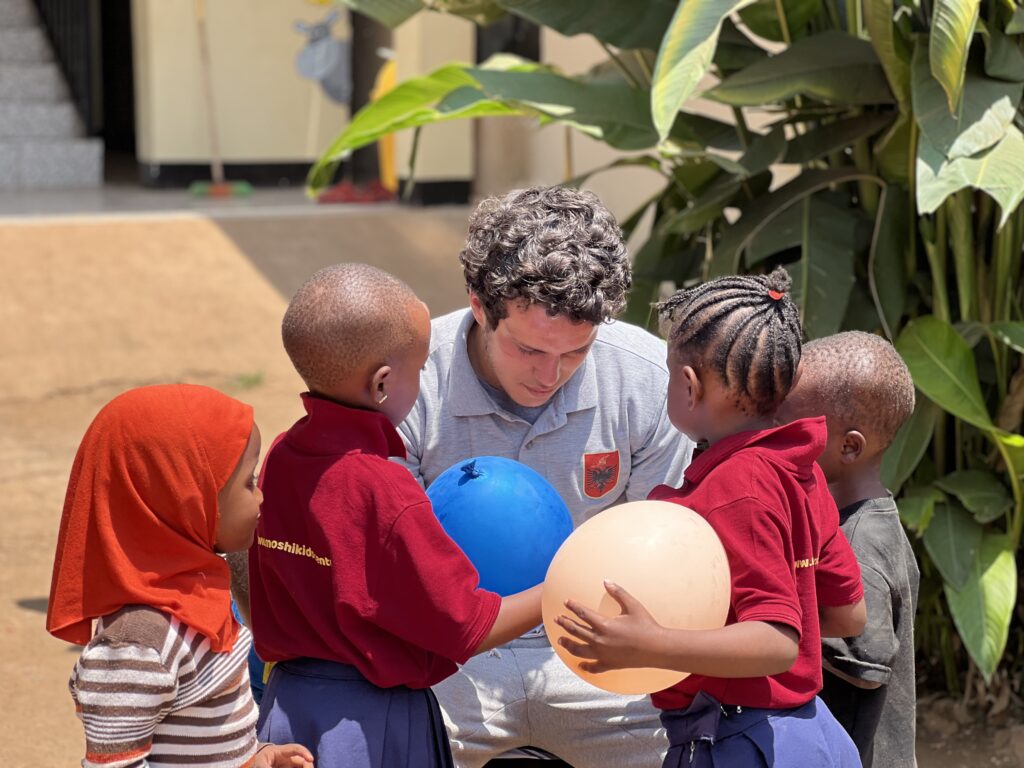
In the foothills of Mount Kilimanjaro, many children in Tanzania still face challenges that make growing up difficult. Some don’t get enough to eat, others can’t attend school, and too many young girls are forced into early marriages. These are real issues that affect families every day, and they remind us how important community support is.
That’s where non-governmental organizations (NGOs) come in. Across Tanzania, they’re working to make sure every child has access to education, nutrition, and protection.
At Moshi Kids Centre, an initiative of Zara Charity, we’ve been part of that mission since 2009. We provide free early education, healthy meals, and a safe space for more than 800 children in Moshi. Over the years, we’ve seen how small changes — like one nutritious meal or one caring teacher — can make a big difference in a child’s future.
In this post, we’ll highlight some of the top NGOs supporting children in Tanzania in 2025, and share why trust matters so much in charity work. Because when people trust the organizations they support, together we can create real and lasting impact.
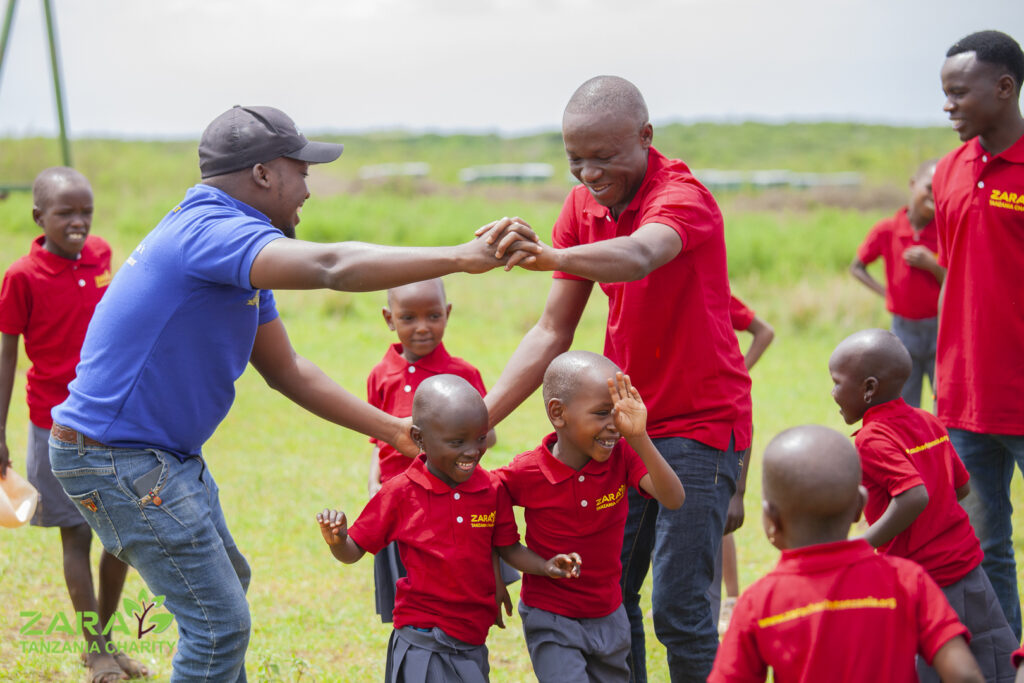
Spotlight on Top NGOs: Champions for Tanzania's Children
Drawing from recent reports by Global Giving, The Borgne Project, and local directories, these organizations stand out for their impact, transparency, and alignment with UN Sustainable Development Goals like SDG 2 (Zero Hunger) and SDG 4 (Quality Education). We’ve curated this list to highlight both global giants and grassroots heroes, emphasizing those with a strong presence in child welfare.
| NGO Name | Focus Areas | Key Impacts in Tanzania (2025) | Presence Since | Website/Contact |
|---|---|---|---|---|
| Moshi Kids Centre (Zara Charity) | Early education, nutrition, orphan care, community empowerment | Serves 800+ vulnerable children with free schooling, meals, and skills training in Moshi; holistic programs include health check-ups and volunteer-led activities like arts and sports. Partners with Volunteer Tanzania for global reach. | 2009 | moshikidscentre.org |
| Save the Children | Education, health/nutrition, child protection, refugee support | Impacted 853,000+ children in 2024 with school access and nutrition in camps like Nyarugusu; empowers girls through community councils in 13 regions. | 1900s (Zanzibar) | savethechildren.org/tanzania |
| World Vision | Child sponsorship, poverty alleviation, education, health | Supports 30+ schools with sustainable farming (e.g., beekeeping) to fight hunger; family strengthening in rural areas reaches thousands annually. | 1980s | worldvision.org/tanzania |
| Plan International | Girls’ rights, gender equality, education, disaster response | Tackles inequalities in 13 regions with scholarships and training; global reach aids 400M+ vulnerable children, with Tanzania-specific empowerment for 100,000+. | 1991 | plan-international.org/tanzania |
| Feed the Children | Nutrition, school feeding, livelihoods training | Equips 30+ schools with livestock projects to combat malnutrition; empowers families living below $2/day with practical skills. | 2000s | feedthechildren.org/tanzania |
| Amani Center for Street Children | Street children rehabilitation, education, family reunification | Provides rescue and counseling in Moshi for 50+ at-risk youth; focuses on urban vulnerabilities with health and skills programs. | 2000s | amanikids.org |
| Mkombozi Centre for Street Children | Orphan care, education, family support | Cares for 50+ abandoned children in Arusha; offers safe spaces and vocational training to prevent street life. | 2000s | mkombozicentre.org |
| The GLK Student Fund | Education scholarships for orphans | Sponsors 40+ bright, rural students annually; bridges resource gaps for motivated kids without family support. | 2010s | globalgiving.org/projects/glk-student-fund |
At Moshi Kids Centre, we’re proud to lead locally while collaborating with these partners. Our center isn’t just a school—it’s a sanctuary where children orphaned by poverty or loss receive nutritious meals, play-based learning, and life skills that foster resilience. Volunteers from around the world join our Tanzanian staff to teach music, crafts, and sports, creating cross-cultural bonds that remind every child they belong to a global family. In 2025, amid post-flood recovery efforts, we’ve expanded scholarships to ensure no child misses out due to disaster. Whether you’re a donor, volunteer, or advocate, connecting with us means seeing your impact up close—visit moshikidscentre.org to get involved.
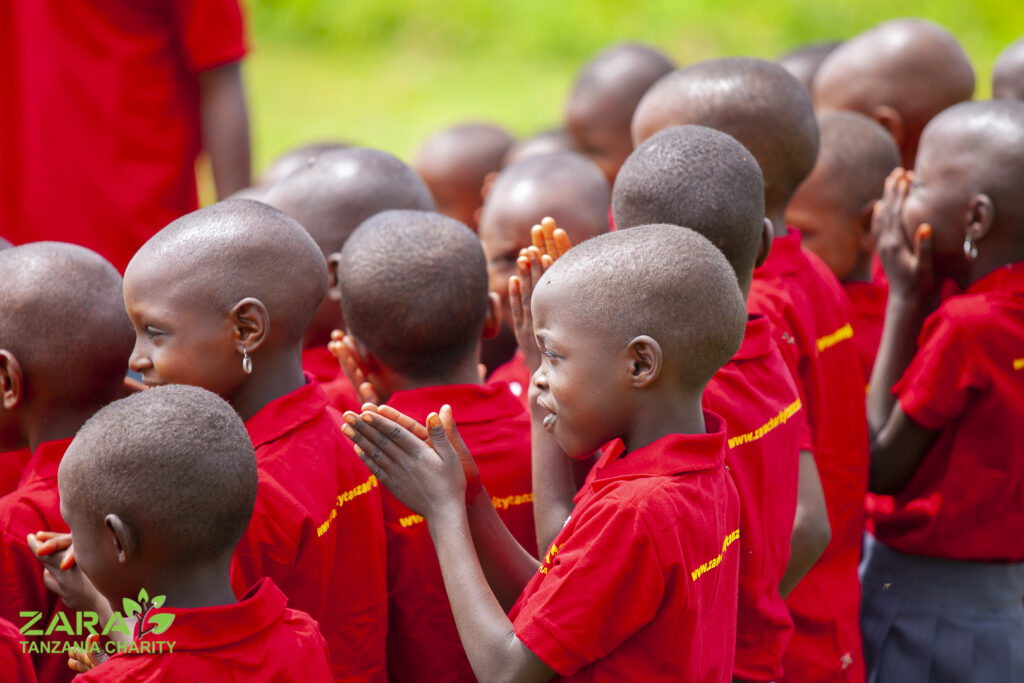
Why Trust Matters: The Foundation of Lasting Change
In a world where headlines scream of scandals—like Oxfam’s 2018 Haiti controversy or Kids Company’s 2015 collapse—trust has become the currency of charity. Globally, trust in NGOs has dipped in 21 countries, falling below business confidence in eight, including the UK, per Edelman’s ongoing surveys into 2025. For Tanzanian child-focused NGOs, where funds must navigate remote villages and refugee camps, untrustworthy perceptions can halt life-saving work. Here’s why trust is non-negotiable—and how Moshi Kids Centre embodies it.
1. Fueling Donor Confidence and Sustainable Funding
Donors gave $1.4 billion to NGOs in 2014 alone, but scandals breed skepticism, diverting resources. Transparent reporting—think Charity Navigator scores or real-time impact dashboards—builds “leaps of faith” rooted in shared values like child rights. At Moshi Kids Centre, we go further: Donors can visit our Moshi facility, meet the children, and track every shilling through Zara Charity’s audited reports. This hands-on transparency has sustained us for 16 years, turning one-time gifts into lifelong partnerships.
2. Empowering Authentic Community Ties
Trust isn’t top-down; it’s co-created with beneficiaries. In Tanzania’s hard-to-reach areas, like Kigoma’s camps, NGOs must earn local buy-in to avoid failed programs. Ethical practices—diverse governance, anti-exploitation codes—foster accountability beyond bureaucracy. We at Moshi Kids Centre prioritize this: 80% of our staff are local Tanzanians, ensuring programs reflect community needs. Parents co-design curricula, and children lead feedback sessions, building mutual respect that sustains change long after volunteers leave.
3. Fortifying the Sector Against Crises
High-profile failures underscore the need for “greater authenticity” over mere rules. In polarized times, trusted NGOs bridge divides, advocating for overlooked voices without partisanship. Moshi Kids Centre thrives on this: Our eco-tourism ties with ZARA Tours fund programs transparently, while collaborations with Save the Children amplify flood relief. Result? Resilient operations that weather economic dips or donor fatigue.
Trust volatility is real—PwC’s 2025 data shows nonprofits must proactively manage it to secure their “license to operate.” For us, it’s simple: Authenticity means sharing stories like little Aisha’s—from malnourished orphan to confident reader—without gloss. Use tools like GuideStar to vet us, and join campaigns like our Cleaning Kilimanjaro initiative to see trust in action.
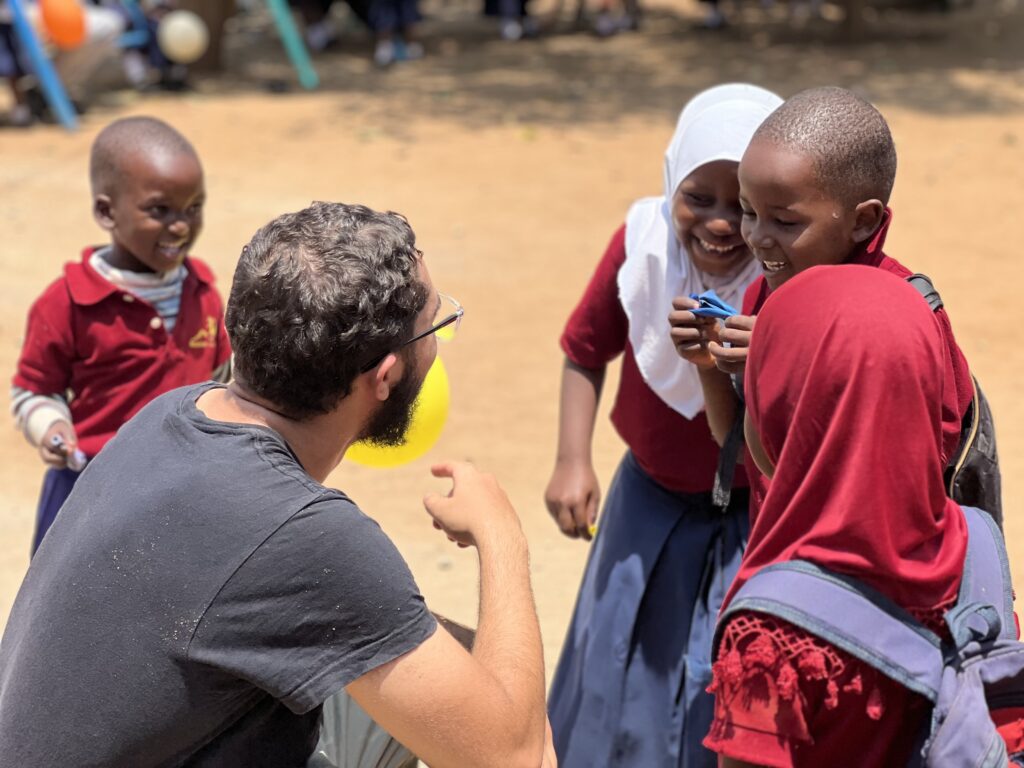
Join the Movement: Your Role in Building Trust and Impact
Tanzania’s children aren’t statistics—they’re future leaders waiting for a hand up. By supporting trusted NGOs like Moshi Kids Centre, you’re investing in education that breaks poverty cycles and nutrition that fuels dreams. Ready to contribute? Donate via moshikidscentre.org, volunteer for a teaching stint, or share this story. Together, let’s prove that trust turns charity into legacy.
What does trust mean to you in philanthropy? Drop a comment below—we’d love to hear and continue the conversation.