
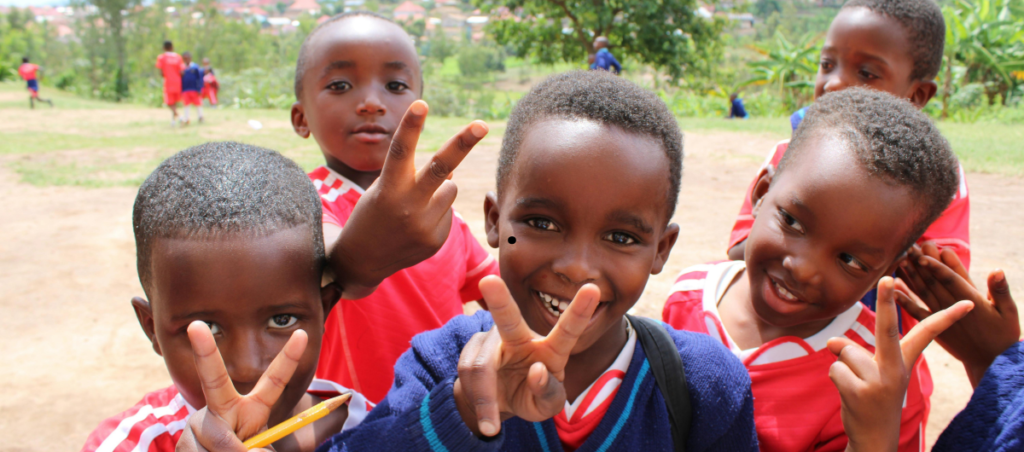
There is an old, deeply rooted African proverb that says, “It takes a village to raise a child.” In 2026, this proverb isn’t just a saying in Tanzania; it is a vibrant, living reality. Across the sweeping plains of the Serengeti, the bustling streets of Dar es Salaam, and the quiet rural villages of the highlands, a profound shift is happening. We are witnessing a localized revolution where grassroots community support is directly transforming the trajectory of children’s lives. The narrative of African development has moved away from top-down international aid dependency toward self-sustaining, community-led initiatives that empower local people to solve their own challenges.
While international aid and government programs remain important pieces of the puzzle, the real heroes of 2026 are the local communities themselves. From self-organized mothers’ cooperatives to village-funded scholarship programs, Tanzanians are taking the reins to ensure their children have access to health, education, and a brighter future. Let’s dive deep into how these community-driven initiatives are making an unprecedented impact this year, reshaping the future of the nation from the ground up.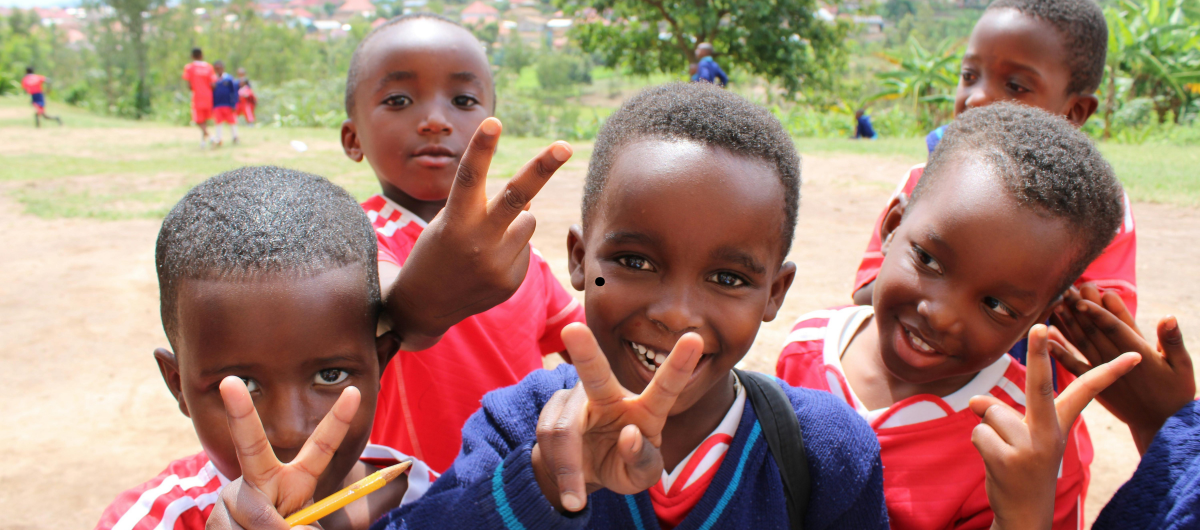
The Evolution of Child Development: The Shift to Localized Power
For decades, the approach to improving children’s lives in developing nations often relied heavily on external non-governmental organizations (NGOs) and foreign aid. While these efforts saved lives and built infrastructure, they sometimes struggled with long-term sustainability. When foreign funding dried up or project timelines ended, the initiatives frequently collapsed.
However, the landscape of child development in Tanzania has evolved dramatically. By 2026, there is a widespread recognition that the most sustainable solutions are those born within the community. Rather than waiting for top-down interventions, communities are pooling their resources—both financial and human—to tackle the unique challenges their children face. This localized approach ensures that solutions are culturally relevant, immediately actionable, and fiercely protected by the people who benefit from them.
Building Community Trust and Ownership
The success of these programs relies heavily on local ownership. When a village builds its own school or funds its own water project, the community takes pride in its maintenance. Elders, parents, and local youth leaders work collaboratively, ensuring that the infrastructure is protected and that the programs continue to serve the children for generations to come. This sense of ownership is the bedrock of the 2026 Tanzanian grassroots movement.
Revolutionizing Education Through Village Collectives
Education is universally recognized as the great equalizer, a crucial tool for breaking the cycle of poverty. Yet, access to quality education has historically been a significant hurdle in remote and marginalized areas of Tanzania. In 2026, community collectives are systematically dismantling these barriers.
Solar-Powered Learning Hubs
One of the most pressing issues for rural students has been the lack of electricity, which severely limits their ability to study after sunset. Today, we are seeing neighborhoods come together to build localized learning hubs powered by affordable solar energy. These hubs are often constructed using local materials and volunteer labor. They provide a safe, well-lit, and quiet environment where children can complete homework, read, and collaborate on school projects well into the evening. The introduction of these solar hubs has directly correlated with higher test scores in rural districts.
Community-Backed Mentorship and Tutoring
Furthermore, local mentorship programs have surged. Communities are leveraging their own human capital. Retired teachers, university students home on break, and local professionals are volunteering their time to provide free after-school tutoring. This community-backed academic support targets students who are falling behind, ensuring they receive the individualized attention that overcrowded public classrooms cannot provide. By doing so, they are drastically reducing dropout rates and helping students excel in their critical national examinations.
Village Scholarship Funds
Perhaps most impressively, many villages have established their own micro-scholarship funds. During harvest seasons, farmers contribute a small percentage of their crop sales to a central village fund. This money is then used to pay for school uniforms, textbooks, and examination fees for the poorest orphans or most vulnerable children in the community. It is a powerful demonstration of collective responsibility.

Grassroots Health and Nutrition Programs: Nourishing the Future
It is a fundamental truth that a child cannot learn if they are hungry or sick. Recognizing this undeniable link between health and education, Tanzanian communities have launched robust, localized health and nutrition initiatives.
Community Gardens and School Feeding Programs
Malnutrition remains a challenge in certain regions, but local agricultural cooperatives are tackling it head-on. Women’s farming groups are creating community gardens explicitly designed to support local schools. These gardens directly supply fresh, nutrient-dense vegetables—like spinach, tomatoes, and beans—to local primary schools for daily feeding programs. For many children, this school meal is the most reliable and nutritious food they receive all day. Consequently, school attendance has skyrocketed, as parents are incentivized to send their children to school knowing they will be fed.
The Rise of the Local Community Health Worker
Access to formal clinics can be difficult for families in remote areas. To combat this, communities are sponsoring the training of local individuals to become Community Health Workers (CHWs). These are locals trained in basic pediatric care, maternal health, and hygiene education. They go door-to-door, checking on pregnant mothers and ensuring infants are hitting their developmental milestones. They distribute anti-malaria nets, provide education on clean water practices, and identify early warning signs of illness, drastically reducing preventable childhood mortality rates. Because the CHWs are trusted neighbors, families are much more receptive to their advice.
Empowering Families: The Economic Foundation of Child Support
Child welfare experts universally agree: you cannot separate the wellbeing of a child from the economic stability of their family. The most successful community support programs in 2026 are those that uplift parents, giving them the financial independence required to care for their offspring.
Micro-Economies and the Power of VICOBA
Across Tanzania, micro-lending circles—most commonly known as VICOBA (Village Community Banks)—have become a transformative economic force. These groups typically consist of 15 to 30 individuals, predominantly women, who pool their small, weekly savings. From this central pool, members can take out low-interest loans to start or expand small businesses, such as poultry farming, tailoring, or running a market stall.
The impact of VICOBA on children’s lives is profound and immediate. When a mother’s income increases through her VICOBA-funded enterprise, the community sees a direct ripple effect. The new income is almost always invested back into the family. School fees are paid on time, proper school uniforms are purchased, and out-of-pocket medical care is afforded without hesitation. By empowering the mother economically, the community secures the future of the child.
Skills Training and Cooperative Farming
Beyond micro-loans, communities are organizing skills training workshops. Experienced artisans teach younger parents marketable skills like carpentry, masonry, or modern, drought-resistant agricultural techniques. Cooperative farming models allow smallholder farmers to pool their harvests, negotiate better prices with buyers, and bypass exploitative middlemen. The increased household income from these cooperative efforts directly translates to better living conditions for the children.
Success Stories: Real Impact on the Ground in 2026
The “Umoja” Spirit in Dodoma
Consider the story of a small, arid village in the Dodoma region. Just three years ago, children had to walk several kilometers every morning to access clean drinking water. This daily chore cut deeply into their school time and left them exhausted before the first bell rang. Furthermore, the water source was often contaminated, leading to frequent outbreaks of cholera and dysentery.
Refusing to wait for external help, a coalition of local elders and youth leaders took action. They successfully crowdfunded within their district, organizing local festivals and seeking contributions from successful diaspora members who had moved to the cities. Within a year, they raised enough capital to install a solar-powered borehole right next to the primary school.
This simple act of Umoja (unity) changed everything. It not only eradicated waterborne diseases in the student population but also increased school attendance by over 40%, particularly among young girls who previously bore the brunt of the water-fetching duties. The village now manages a small maintenance fund to ensure the pump remains operational.
The Tech-Savvy Youth of Arusha
In the vibrant city of Arusha, a group of recent high school graduates noticed that younger children in their neighborhood were struggling with digital literacy—a critical skill in 2026. They formed a community tech club, soliciting donations of old, refurbished laptops from local businesses. Operating out of a community center, these young adults now spend their weekends teaching coding, basic computer skills, and online safety to primary school students. This grassroots initiative is bridging the digital divide, ensuring that children from lower-income brackets are not left behind in the modern economy.
The Role of Government and NGOs in the New Paradigm
While the focus has shifted to grassroots action, the Tanzanian government and international NGOs still play a vital role. However, their function has evolved from direct implementation to facilitation and support. The government provides the regulatory framework and the national curriculum, while NGOs offer specialized training, technical expertise, and matching grants to amplify community efforts. When a community raises half the funds for a new clinic, an NGO might step in to provide the remaining capital and the medical equipment. This partnership model ensures that the community retains ownership while benefiting from external resources.
How You Can Be Part of the Change
The beauty of community support is that its spirit is contagious. While local Tanzanians are doing the heavy lifting, global allies can amplify their efforts and accelerate their progress. Supporting these grassroots movements means your impact goes directly to the children who need it most, without being lost in excessive bureaucratic overhead. You are investing in sustainable systems built by the people who understand the local context best.
- Educate Yourself and Others: Take the time to learn more about the amazing, community-led work being done in East Africa. Organizations like UNICEF Tanzania often highlight these local partnerships. Read books, watch documentaries, and understand the nuances of localized development.
- Support Micro-lending Platforms: Consider utilizing platforms like Kiva or Zidisha that allow you to lend directly to female entrepreneurs and community groups in Tanzania. When they repay the loan, you can reinvest it in another community leader.
- Partner with Vetted Grassroots NGOs: Seek out smaller, locally-run non-profits that operate with transparency and direct community involvement. Your donations to these organizations often go much further than contributions to massive international charities.
- Advocate and Shift the Narrative: Share these success stories on your social media platforms. Changing the global narrative around African development from one of pity and helplessness to one of resilience, innovation, and empowerment makes a massive difference in how the world engages with the continent.
Conclusion: The Future is Local
As we look at the landscape of Tanzania in 2026, it is clear that the future of child development is local. The days of passive reception of aid are fading, replaced by a dynamic era of community mobilization. By empowering families, prioritizing education, and taking ownership of health outcomes, Tanzanian communities are proving that they have the power to change the lives of their children.
The village is indeed raising the child, and in doing so, it is raising the entire nation toward a brighter, more self-sufficient future. When a community bands together, there is no limit to what they can achieve for their youth.
Make a Tangible Difference Today
Are you inspired by the resilience, innovation, and unity of Tanzanian communities? You have the power to help amplify their voices and their resources. Stand in solidarity with grassroots leaders who are changing the world from the ground up.
Click here to support and discover how you can sponsor a community water project, support a child’s solar learning hub, or empower a local mothers’ VICOBA cooperative today. Your support can be the catalyst for lasting change.