
Every day, children at Moshi Kids Centre receive meals that help them grow strong. This page explains the need, the daily work, and how your support turns into real food on real plates.
Daily meals in Pasua, Moshi · Focus on growth and energy · Transparent use of gifts
Why Good Nutrition Matters for Children
Children need steady, healthy food to grow. Without it, they can become tired, fall ill more often, and struggle to learn. In short, poor nutrition holds a child back in many ways.
At Moshi Kids Centre we see this clearly. Many of the children who come to us have faced food shortages at home. Therefore we make daily meals a central part of our care.
A full plate does more than fill a stomach. It gives energy for play and school. It helps bodies fight infection. It also sends a quiet message: you are valued and looked after.
Our wider work is described on the what we do page. Nutrition sits at the heart of that care.
Good food is one of the most direct ways to help a child. It does not require complex tools. It simply needs steady supply, careful preparation, and people who care enough to serve it every day.
That is the work we do. We turn gifts into ingredients, ingredients into meals, and meals into stronger bodies and brighter days.
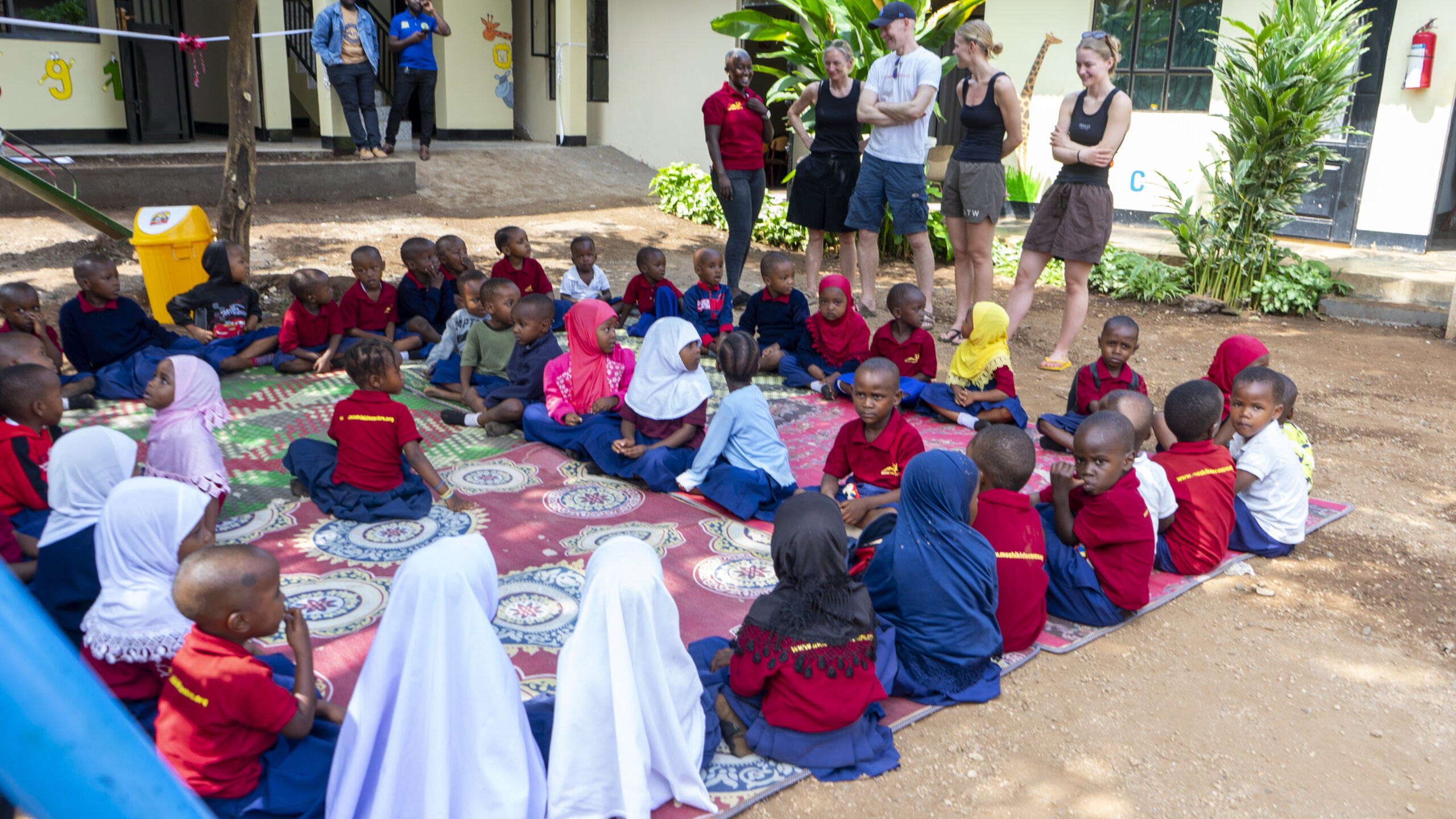
The Need in Pasua and the Wider Moshi Area
Pasua is a busy part of Moshi. Many families work hard yet still find it hard to put varied food on the table every day. Prices rise. Work can be uncertain. As a result, some children arrive at the centre underweight or lacking key nutrients.
Malnutrition does not always look dramatic. Sometimes a child simply grows more slowly than expected. Other times energy is low and focus at school suffers. Early action makes a real difference.
We focus on the children in our care and those who join our programmes. By giving regular meals, we reduce the risk of lasting harm. In addition, we watch for signs that a child needs extra support.
For background on the centre itself, see our about us page.
How the Nutrition Programme Works Day to Day
The programme is practical and steady. Each day the kitchen team prepares meals for the children. Ingredients are chosen for both taste and nutrition. Local foods are used whenever possible so the diet feels familiar and costs stay reasonable.
Meals are served at set times. This rhythm helps children know they will not go hungry. It also makes it easier to notice if someone is not eating well.
Staff keep simple records. They note attendance and any concerns about a child’s health or appetite. When needed, they talk with carers or seek further advice.
Clean water and basic hygiene sit beside the food. Hands are washed. Surfaces are kept clean. These steps reduce the chance of stomach illness that can undo the benefit of a good meal.
Local markets supply much of what we need. Buying nearby supports the community as well as the children. It also keeps transport simple and food fresher.
When prices rise, we adjust menus with care. We never want quality to drop. At the same time we must stay within the budget that donors make possible.
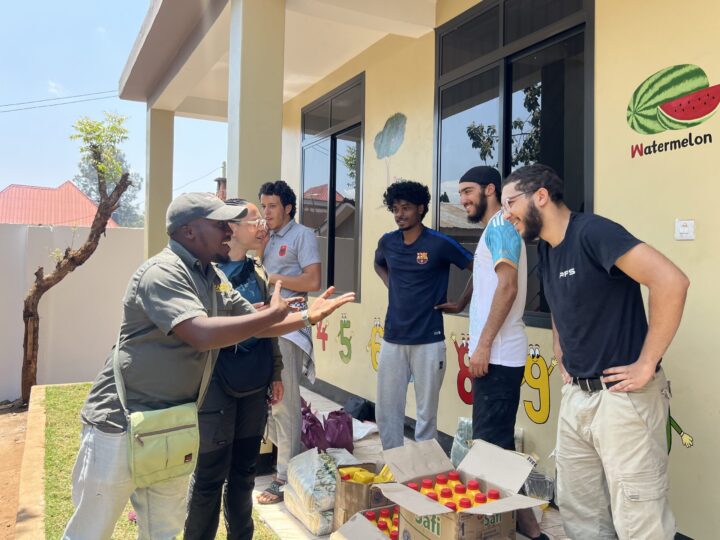
What the Children Eat
Menus are simple and balanced. A typical day includes a staple such as ugali, rice, or bananas, plus beans, vegetables, and when possible a source of protein such as eggs, fish, or meat. Fruit is added when it is in season and affordable.
We aim for variety across the week. That way children receive a wider range of vitamins and minerals. At the same time we keep costs realistic so the programme can continue.
Special needs are noted. A child who is recovering from illness may receive extra care or softer food for a time. The goal is always the same: enough energy and nutrients for healthy growth.
Portion sizes suit the age of the child. Younger children receive amounts they can finish. Older ones receive more to match their greater needs.
More Than Food: Care That Surrounds the Meal
A meal is most useful when the rest of a child’s life is also supported. Therefore our nutrition work sits inside a wider pattern of care.
Children receive attention to health. Staff watch for signs of illness or slow growth. Basic health checks help catch problems early.
Education matters too. A child who is not hungry finds it easier to concentrate. In this way, meals support learning as well as physical growth.
Emotional care is part of the picture. Eating together in a calm setting builds a sense of belonging. Children learn that adults can be trusted to provide.
All of this connects to the broader mission of the centre. You can explore more on the support children page.
Parents and carers are part of the picture too. When a child eats well at the centre, the benefit can reach the wider family through better health and more energy for learning.
We keep communication open. If a child has a special dietary need, we listen and adapt where we can. Respect for each child sits at the centre of the programme.
Signs of Progress We Look For
We measure success in practical ways. Children gain weight when they need to. Energy levels rise. Attendance becomes more regular. Teachers and carers often report better focus and mood.
Some changes are easy to see. A child who once sat quietly now joins in play. Clothes fit better as the body grows. Illnesses become less frequent.
Other changes take longer. Steady nutrition over months and years supports stronger bones, better learning, and greater resilience. We stay patient and consistent.
We share honest updates with supporters. Progress is real, yet challenges remain. Rising food prices and new children arriving mean the need does not disappear.
Long-term change takes time. One good month of meals is valuable. Twelve steady months are even more powerful. That is why regular support makes such a difference.
Every plate served is a small act of hope. Multiplied across days and children, those acts add up to real progress against malnutrition in our corner of Kilimanjaro.
How Your Gift Turns into Meals
Donations buy food, fuel for cooking, and basic kitchen supplies. They also help cover the time of the staff who plan, cook, and serve.
A gift can fund a single meal or a whole month of meals for one child. Larger gifts stretch further and help us keep the programme stable even when costs rise.
We keep clear records of income and spending. That way we can show that money given for nutrition is used for nutrition. Transparency builds the trust that lets the work continue.
If you prefer to give toward a specific need, you can say so when you donate. We will direct the gift accordingly.
Ways You Can Support the Nutrition Programme
There are several practical ways to help.
- Make a one-time gift toward meals.
- Set up a monthly gift so we can plan with more certainty.
- Sponsor a child’s meals for a set period.
- Share the need with friends and family who may also wish to give.
Secure online giving is available. You can read about safety measures on our site and use the official donation channels. For US supporters, the US donations page offers tailored options.
Questions are welcome at any time. Reach us through the contact page or check the FAQs for quick answers.
Frequently Asked Questions
Who receives the meals?
Children in the care of Moshi Kids Centre and those who take part in our programmes in the Pasua area of Moshi.
How often do the children eat at the centre?
Meals are provided daily as part of the regular programme. The exact schedule follows the centre’s daily routine.
What kinds of food are served?
Balanced meals based on local staples, beans, vegetables, and protein sources when available. Fruit is included when possible.
How does a donation help the nutrition programme?
Gifts buy food and cover cooking costs and staff time. They keep the daily meals reliable for the children.
Can I support nutrition only?
Yes. You can note that your gift is for meals when you give. We will apply it to the nutrition programme.
How do I know the money is used well?
We keep records and share updates on the work. You can also read about our wider approach on the site and contact us with any questions.
Fund a Month of Meals or Sponsor a Child
One gift can place nourishing food in front of a child who needs it. Steady support keeps the kitchen running and the children growing. Join us in the daily work of fighting malnutrition in Moshi.