
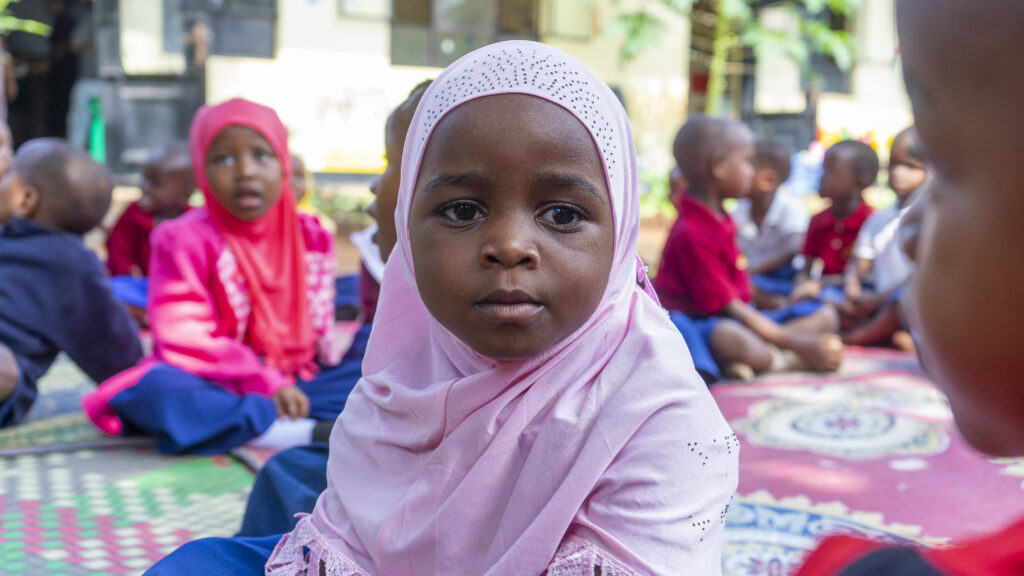
Every morning at Moshi Kids Centre tells a unique story, but today we’re following Aisha, a bright-eyed six-year-old who has been part of our learning family for two years. Through her eyes, you’ll discover how our comprehensive early childhood education programs transform ordinary moments into extraordinary learning opportunities. From the foothills of Mount Kilimanjaro, our centre provides children with an enriching environment where education, play, and personal growth intertwine seamlessly.
7:30 AM - Morning Arrival: A Warm Welcome Sets the Tone
The Tanzanian sun casts golden rays across the Moshi Kids Centre compound as Aisha arrives, her small hand clasped firmly in her mother’s. The security guard, Bwana Joseph, greets them with his familiar smile and the gentle Swahili greeting, “Habari za asubuhi, Aisha!” (Good morning, Aisha!)
“Nzuri sana!” Aisha responds enthusiastically, already releasing her mother’s hand to run toward the entrance.
Our Morning Reception Program ensures every child receives a personalized welcome. Miss Grace, our morning coordinator, kneels to Aisha’s eye level, checking her health screening form and taking her temperature—a routine safety protocol that parents appreciate. This individualized attention isn’t just about health monitoring; it’s our first opportunity to assess each child’s emotional state and readiness for the day ahead.
“How are you feeling today, Aisha? Did you have a good breakfast?” Miss Grace asks, noting Aisha’s bright demeanor in our daily attendance log.
The reception area showcases children’s artwork, family photos, and a visual daily schedule that helps children like Aisha understand what exciting activities await. This transition time is crucial for early childhood development, allowing children to separate from parents while feeling secure and excited about their day.

8:00 AM - Circle Time: Building Community Through Connection
Aisha places her backpack in her designated cubby—painted with her name and a giraffe she chose herself—before joining fifteen other children in the Rainbow Room. The classroom smells faintly of crayons and the fresh flowers that sit in small vases on each learning station.
Circle Time represents one of our most valued programs, incorporating elements of the Montessori method with culturally relevant Tanzanian traditions. Children sit on colorful mats arranged in a perfect circle, creating an environment of equality where every voice matters.
Teacher Neema begins with the weather song, and Aisha’s hand shoots up when asked who wants to look outside and describe what they see.
“The sky is blue with some clouds, and I can see Kilimanjaro!” Aisha announces proudly, demonstrating observational skills and confidence in public speaking.
The circle time curriculum at Moshi Kids Centre includes:
- Calendar activities teaching days, weeks, months, and seasons
- Weather observation developing scientific thinking and vocabulary
- Sharing time building communication and listening skills
- Music and movement incorporating Swahili songs and traditional rhythms
- Social-emotional learning through stories about friendship, kindness, and problem-solving
Today’s theme is “Helpers in Our Community.” Teacher Neema reads a bilingual storybook about various professionals, and Aisha’s eyes widen when she sees the illustration of a doctor. “My mama is a nurse!” she shares during the discussion, connecting classroom learning to her real-world experience.

9:00 AM - Montessori Work Period: Self-Directed Learning in Action
The transformation from circle time to work period is seamless. Children disperse throughout the classroom, each drawn to different Montessori materials that line the low wooden shelves. This individualized learning approach is central to our educational philosophy at Moshi Kids Centre.
Aisha heads straight for the mathematics area, selecting the golden bead material—hundreds of tiny golden beads organized into units, tens, hundreds, and thousands. She’s been working on understanding place value, and today she’s determined to build the number 1,247.
Miss Sarah, the classroom assistant, observes from a distance, intervening only when Aisha shows signs of frustration. This is intentional. Our Montessori-trained educators understand that struggle is part of learning, and children develop resilience by working through challenges independently.
“Teacher, can you check my work?” Aisha asks after carefully arranging one thousand cube, two hundred squares, four ten-bars, and seven unit beads.
“Let’s count together,” Miss Sarah suggests, allowing Aisha to verify her own work—building confidence and self-assessment skills.
Meanwhile, around the classroom, other children engage in different activities:
- Two boys work collaboratively with the pink tower, building spatial awareness and fine motor skills
- A girl practices pouring water from one pitcher to another, developing concentration and hand-eye coordination
- Three children work on phonetic sound matching with Swahili and English letter cards
- Another group explores the geography puzzle map of Africa, learning continent names and locations
The room hums with purposeful activity. This isn’t chaotic play—it’s intentional, self-directed learning where children follow their interests while building essential academic and life skills.
10:30 AM - Outdoor Play and Physical Development
The bell chimes melodically, signaling transition time. Aisha helps return her math materials to the shelf, carefully placing each component exactly where it belongs—a Montessori principle that teaches order, responsibility, and respect for shared resources.
Outside, the outdoor learning environment at Moshi Kids Centre rivals any indoor classroom. Our 2-acre playground features age-appropriate equipment, a vegetable garden, a sand and water play area, and shaded spaces for quieter activities.
Aisha races toward the climbing structure with her best friend, Juma. “I can reach the top today!” she declares, and Teacher Michael watches carefully, ready to spot her if needed but allowing her to test her physical limits safely.
Our physical development program isn’t just about burning energy—though the Tanzanian heat certainly makes that necessary. We intentionally design outdoor time to build:
- Gross motor skills through climbing, running, and balancing activities
- Social skills as children negotiate playground rules and cooperative games
- Risk assessment allowing supervised risky play that builds confidence
- Environmental awareness through our garden program and nature exploration
Today, a group gathers around the vegetable garden where Teacher Michael explains how the tomatoes they planted three weeks ago are growing. Aisha touches a leaf gently, remembering the lesson about being careful with living things.
“Can we water them?” she asks, always eager to help.
The children take turns using small watering cans, learning about plant care, responsibility, and the connection between effort and growth—lessons that extend far beyond gardening.
11:30 AM - Literacy and Language Arts: Bilingual Excellence
Back inside, slightly sweaty but refreshed, Aisha settles into the literacy corner for her small group reading session. Moshi Kids Centre prioritizes bilingual education, recognizing that strong skills in both Swahili and English prepare children for academic success in Tanzania’s educational system.
Teacher Neema works with a group of six children at similar reading levels. Today they’re exploring a story about a clever rabbit who outsmarts a hungry lion—a traditional Tanzanian folktale adapted for early readers.
Aisha follows along with her finger, sounding out words she recognizes and using picture clues for unfamiliar vocabulary. When she stumbles on the word “escape,” Teacher Neema doesn’t immediately correct her.
“Look at the picture. What is the rabbit doing? What word might make sense here?”
This phonics-based, context-supported approach helps children become active readers rather than passive word-callers. Aisha studies the illustration, sees the rabbit running away, and tries again: “Es-cape! Escape!”
“Exactly right! And what does escape mean?”
“Running away from danger,” Aisha responds, demonstrating comprehension alongside decoding skills.
The literacy program at Moshi Kids Centre includes:
- Daily phonics instruction in both Swahili and English
- Guided reading groups differentiated by skill level
- Independent reading time with age-appropriate books
- Writing workshops where children compose their own stories
- Vocabulary development through thematic units
- Storytelling and oral language development
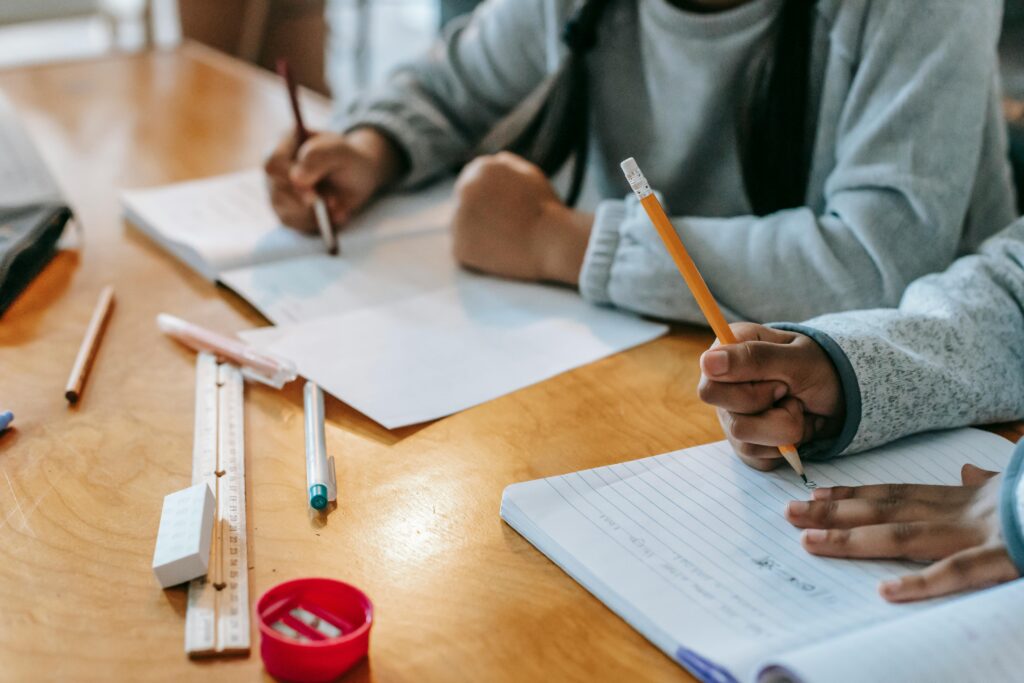
After the reading group, children transition to writing workshop. Aisha opens her journal—a treasured notebook where she’s been documenting her learning journey. Today she writes about what she wants to be when she grows up, carefully forming letters and sounding out words.
“I want to be a teacher like Teacher Neema because she is kind and helps children learn,” she writes, with phonetic spelling that shows her growing understanding of sound-letter relationships.
12:30 PM - Lunch and Social Skills Development
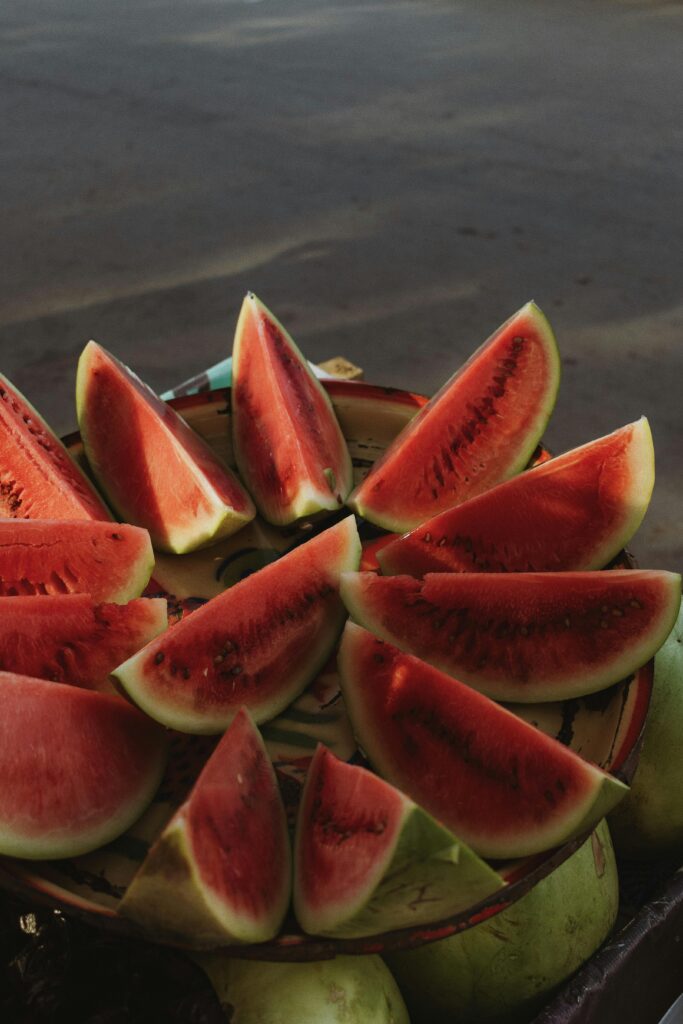
The aroma of pilau rice and beans fills the dining area as children wash their hands and find their seats. Mealtime at Moshi Kids Centre is another educational opportunity, designed to build independence, nutrition awareness, and table manners.
Aisha collects her plate, serving herself appropriate portions from the buffet-style setup. Our nutritionist-designed menu ensures children receive balanced, culturally appropriate meals that support their physical and cognitive development.
“Remember, take what you’ll eat, and you can always get more,” Miss Grace reminds them, teaching children to listen to their hunger cues and reduce food waste.
At the table, Aisha sits with a mixed-age group—an intentional choice. Our family-style dining program allows older children to model behavior for younger ones while building leadership skills and empathy.
Today’s conversation flows naturally:
“I tried the beans even though I don’t like beans much,” announces a younger boy.
“Good job trying new things!” Aisha responds, echoing the encouragement she receives from teachers.
The lunch period incorporates multiple learning objectives:
- Fine motor skill development using utensils properly
- Social skills through conversation and turn-taking
- Independence through self-serving and cleanup
- Nutrition education about healthy food choices
- Cultural awareness by exploring different Tanzanian dishes
After eating, Aisha scrapes her plate, places it in the designated bin, and wipes down her table space. These life skills—often overlooked in academic-focused programs—are essential components of our holistic child development approach.
1:30 PM - Rest Time and Quiet Activities
Following the Tanzanian tradition of midday rest and recognizing young children’s developmental need for downtime, Moshi Kids Centre incorporates a structured rest period. The Rainbow Room transforms into a peaceful sanctuary with dimmed lights, soft music, and individual mats.
Aisha doesn’t always fall asleep, but she’s learned to rest quietly—a valuable skill that teaches self-regulation and respect for others who need sleep. Today she looks at a picture book about ocean animals, turning pages slowly and whispering facts she’s learned to her stuffed elephant, a comfort item from home that children are welcome to bring.
Teacher Neema circulates quietly, gently rubbing backs of children who are struggling to settle. This nurturing touch isn’t just comforting—research shows that positive physical contact from trusted caregivers reduces stress hormones and supports emotional development.
For children who don’t sleep after 20 minutes, quiet activity stations become available:
- Puzzles and manipulative toys
- Drawing and coloring materials
- Books and reading nooks
- Sensory bottles and calm-down jars
This flexible rest time approach respects individual children’s needs while maintaining a peaceful environment for those who require sleep.
2:30 PM - Creative Arts and Cultural Expression
Refreshed from rest time, children transition to the creative arts studio, where today’s project celebrates Tanzanian culture. The tables are covered with newspaper, and materials are arranged invitingly: paint, fabric scraps, beads, and recycled materials.
“Today we’re creating Maasai-inspired jewelry,” announces Teacher Patrick, our arts specialist, showing examples of traditional Maasai beadwork on a large poster.
Aisha’s eyes light up. She loves anything involving colors and patterns. Teacher Patrick explains the cultural significance of different colors in Maasai tradition—red for bravery, blue for energy, green for health.
“What colors will you choose for your necklace, and why?” he asks, encouraging children to think intentionally about their creative choices.
Aisha selects red, yellow, and blue beads, explaining, “Red because I want to be brave, yellow for happiness, and blue because I have lots of energy!”
The arts program at Moshi Kids Centre serves multiple purposes:
- Fine motor skill development through cutting, threading, painting, and sculpting
- Cultural appreciation and identity formation
- Creative expression and emotional processing
- Color, pattern, and spatial understanding
- Following multi-step instructions
- Pride in creating finished products
As Aisha carefully threads beads onto her string, her tongue pokes out slightly in concentration—a sign of the focused attention that arts activities develop. When a bead falls and rolls across the floor, she problem-solves, creating a small barrier with her hand to prevent more from escaping.
“I did it!” she exclaims twenty minutes later, holding up her completed necklace with justified pride.
3:30 PM - STEAM Exploration: Science in Action
The final learning block of the day focuses on STEAM education (Science, Technology, Engineering, Arts, and Mathematics)—a program that sets Moshi Kids Centre apart from traditional daycare facilities.
Today’s experiment explores density and buoyancy. Teacher Michael has set up several stations with water-filled containers and various objects: stones, leaves, plastic toys, coins, wooden blocks, and feathers.
“Before we put anything in the water, let’s predict—will it sink or swim?” Teacher Michael asks, using simple language that young children understand.
Aisha approaches the first station, holding a stone. “I think it will sink because stones are heavy.”
“Good hypothesis! Let’s test it.”
The stone sinks, and Aisha records her observation by drawing a picture on her science journal sheet—a stone with a downward arrow. This documentation process helps children understand that science involves prediction, experimentation, and recording results.
But then she picks up a large wooden block and a small coin. “The block is bigger, so it should sink more… right?”
“Try it and see,” Teacher Michael encourages, allowing discovery rather than providing direct answers.
Aisha’s surprise is genuine when the large block floats while the small coin sinks. “That doesn’t make sense!”
This moment of cognitive dissonance—when expectations don’t match reality—is precisely what drives learning. Teacher Michael guides the children to understand that it’s not just about size or weight, but what things are made of.
The STEAM program includes weekly themes:
- Physical science experiments
- Simple coding activities with age-appropriate robots
- Engineering challenges like building bridges from recyclables
- Nature observation and environmental science
- Mathematical problem-solving in real contexts
These experiences build critical thinking, curiosity, and analytical skills that form the foundation for future academic success.
4:30 PM - Reflection and Departure: Closing the Circle
As the day winds down, children gather once more in a circle for closing reflection time. This program component helps children process their learning, practice gratitude, and develop metacognitive skills—thinking about their own thinking.
“What was your favorite part of today?” Teacher Neema asks, passing around a soft ball. Whoever holds the ball may speak.
When the ball reaches Aisha, she thinks carefully before responding. “I liked the science experiment because I learned that big things can float and small things can sink. And I made a beautiful necklace!”
Other children share their highlights—some mention friends they played with, others talk about books they read or problems they solved. This sharing reinforces positive memories and helps children recognize their own growth.
Teacher Neema then asks her daily closing question: “How did you help someone today, or how did someone help you?”
Aisha remembers. “Juma helped me reach the top of the climbing structure, and I helped a younger child clean up the blocks.”
This intentional reflection on kindness and community builds emotional intelligence and reinforces our centre’s values of compassion, cooperation, and mutual support.
As parents begin arriving, children collect their belongings, checking the cubbies for artwork to bring home and any communication notes from teachers. Aisha’s mother receives a brief verbal update about her daughter’s day, along with a photo Teacher Neema snapped of Aisha proudly displaying her completed necklace.
“She had a wonderful day,” Teacher Neema shares. “Her reading is really progressing, and she showed great perseverance with the math materials this morning.”
These daily parent communications ensure families remain connected to their children’s learning and can continue conversations at home.
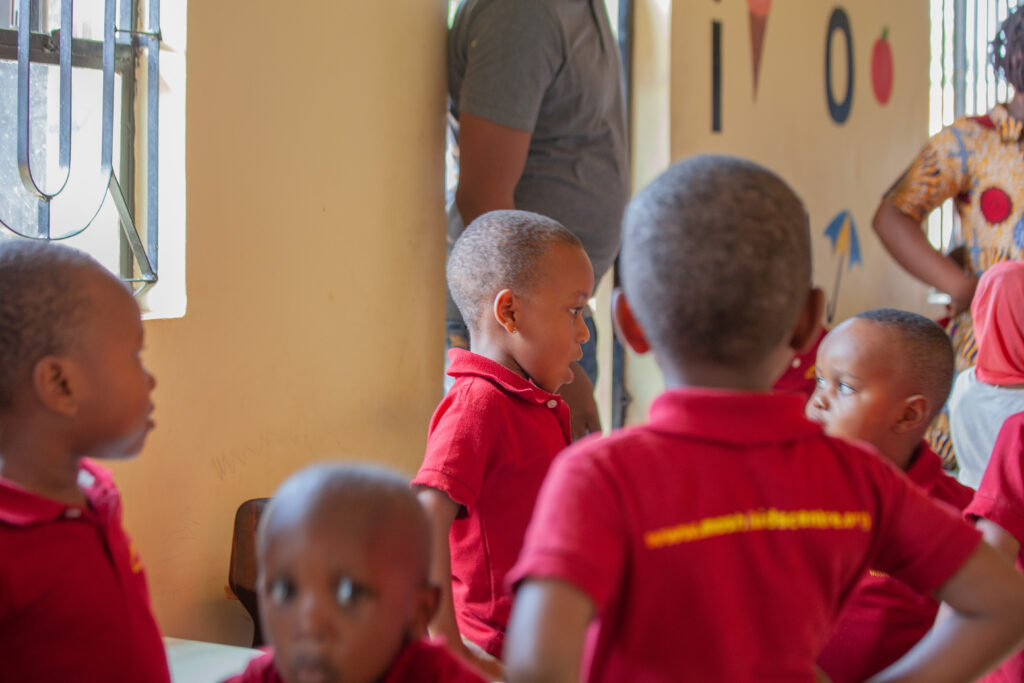
More Than Childcare—A Foundation for Life
As Aisha waves goodbye and skips toward the parking area, her necklace bouncing against her chest and her science drawing clutched in her hand, she embodies what Moshi Kids Centre strives to achieve: confident, curious, capable children who love learning.
Following Aisha through her day reveals that quality early childhood education isn’t about a single program or teaching method—it’s about creating an environment where academic learning, social development, emotional growth, physical activity, creative expression, and cultural pride intersect naturally throughout the day.
At Moshi Kids Centre, we don’t just watch children; we see them. We don’t just teach curriculum; we nurture potential. We don’t just provide care; we build foundations that will support children throughout their educational journey and beyond.
From morning circle to afternoon reflection, from Montessori math materials to traditional Tanzanian art projects, from independent work periods to collaborative outdoor play, every moment is intentionally designed to support the whole child’s development.
Lorem ipsum dolor sit amet, consectetur adipiscing elit. Ut elit tellus, luctus nec ullamcorper mattis, pulvinar dapibus leo.
Why Families Choose Moshi Kids Centre
Parents throughout Moshi and surrounding areas trust our centre because we offer:
- Holistic child development addressing academic, social, emotional, and physical growth
- Bilingual excellence in Swahili and English language instruction
- Montessori-inspired learning that respects children’s natural development
- Culturally grounded curriculum celebrating Tanzanian heritage while preparing children for global opportunities
- Small class sizes ensuring individualized attention
- Qualified, caring educators who receive ongoing professional development
- Safe, stimulating environment with both indoor and outdoor learning spaces
- Nutritious meals designed by professional nutritionists
- Strong family partnerships with regular communication and involvement opportunities
Visit Moshi Kids Centre and See the Difference
Would you like your child to experience days filled with joy, discovery, and meaningful learning? We invite you to visit Moshi Kids Centre, observe our programs in action, and envision your child’s potential unfolding in our nurturing environment.
Contact us today to schedule a tour, meet our dedicated team, and learn how we can partner with you in your child’s early education journey. Because every child deserves a foundation as strong and beautiful as Mount Kilimanjaro itself.