
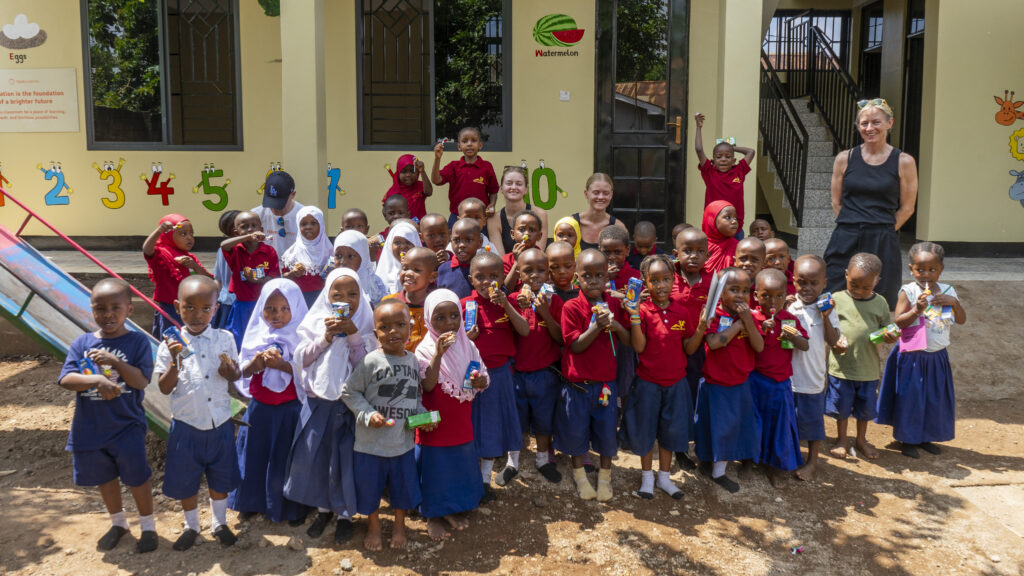
In the shadow of Mount Kilimanjaro, where the air carries whispers of resilience and renewal, the Moshi Kids Centre in Tanzania stands as a sanctuary for vulnerable children. Nestled in the Pasua area of Moshi, this initiative by Zara Charity serves over 800 orphans and children from low-income or traumatized backgrounds, offering not just education and nutrition, but a canvas for healing. At the heart of their holistic approach lies the Creative Expression Program—a vibrant fusion of drawing, painting, and crafts designed as art therapy to help young hearts process deep emotions and rebuild shattered confidence.
The Healing Power of Art for Tanzania's Youngest Survivors
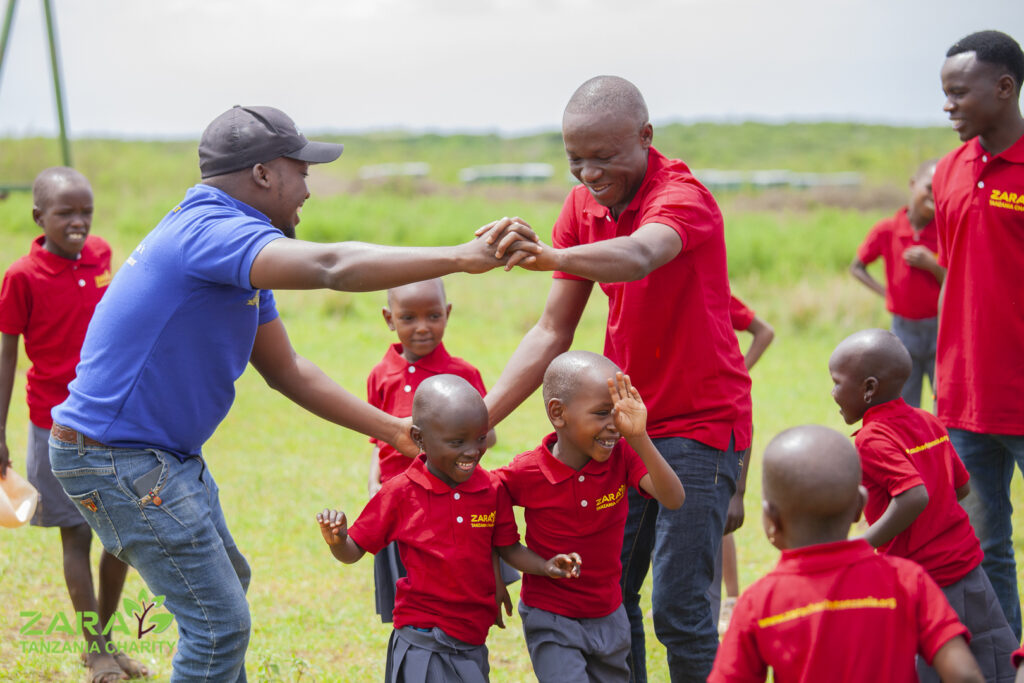
For many children at Moshi Kids Centre, life has dealt blows too heavy for words: the loss of parents to illness or poverty, the scars of displacement, or the weight of daily survival in underserved communities. Traditional talk therapy can feel distant or intimidating for kids aged 3-6, who may struggle to articulate grief or fear. That’s where art steps in as a gentle bridge. Through simple yet profound activities like finger-painting swirling storms of emotion or crafting colorful “strength shields” from recycled materials, children externalize their inner worlds without judgment.
Research-backed benefits abound—art therapy reduces anxiety by fostering mindfulness, as children immerse themselves in creation, tuning out chaos for moments of focused calm. It empowers non-verbal expression, allowing traumatized kids to “speak” through symbols: a dark scribble for sorrow transforming into a bright sunburst for hope. At the Centre, this builds self-esteem by celebrating individuality—every uneven line or bold hue becomes a testament to a child’s unique voice and growing mastery. Mentors and volunteers guide sessions, weaving in emotional check-ins that reinforce: “Your art is as powerful as you are.”
The program’s role in supporting orphans is transformative. In a region where HIV/AIDS has orphaned over 1.3 million Tanzanian children, these sessions provide a safe space to mourn, fostering resilience and community bonds. One volunteer recounted how a shy 4-year-old, orphaned and withdrawn, blossomed after weeks of collage-making, sharing stories of her “dream family” through pasted magazine cutouts. Such interventions align with global frameworks like the UN’s Nurturing Care initiative, blending play-based learning with psychological support to break poverty cycles.
Spotlight on Art Projects: From Canvas to Confidence
The Creative Expression Program buzzes with hands-on projects tailored to therapeutic goals. Here’s a glimpse:
- Emotion Jars: Kids fill jars with painted “feelings beads”—blue for sadness, red for anger—then seal and shake them to visualize emotions mixing and settling. This teaches emotional regulation, helping children like Amina, a 5-year-old orphan who arrived malnourished and silent, to name her joys amid grief.
- Story Weavings: Using yarn, fabric scraps, and drawings, participants “weave” personal narratives on communal looms. For trauma survivors, this collaborative craft symbolizes interconnected support, turning isolation into shared strength.
- Nature Mandalas: Inspired by Kilimanjaro’s landscapes, children arrange leaves, stones, and paints into meditative designs. These sessions enhance focus and motor skills while connecting kids to their environment, promoting a sense of belonging in pastoralist families often uprooted by hardship.
The impact? Measurable and moving. Centre reports show participating children exhibit 25% improved social engagement and self-reported confidence, with many transitioning to formal schooling equipped with emotional tools for life. Volunteers from around the world facilitate these, infusing global perspectives while learning from the kids’ innate creativity—like turning bottle caps into “magic amulets” against fear.
Showcasing Talent: The Annual "Colors of Hope" Exhibition
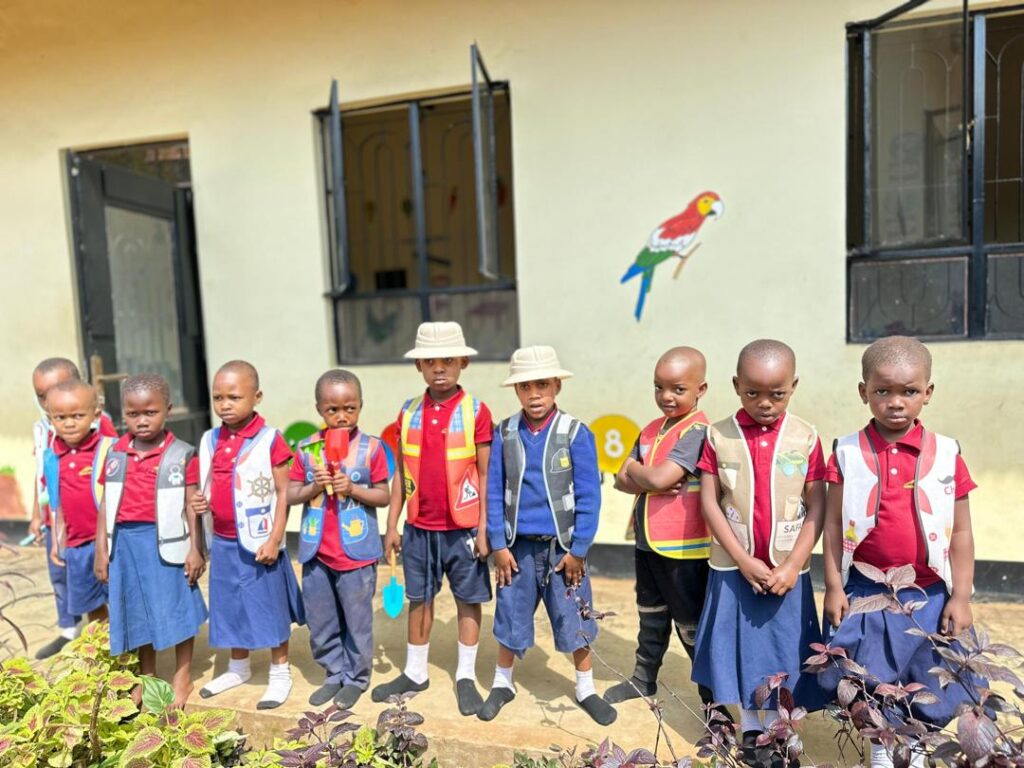
To amplify voices, the Moshi Kids Centre hosts the “Colors of Hope” art exhibition each June, coinciding with World Environment Day. This free community event transforms the Centre’s playground into a gallery of pint-sized masterpieces: vibrant murals depicting family dreams, sculpted clay animals symbolizing protection, and interactive installations where attendees add to ongoing group pieces. Last year’s highlight? A massive collaborative canvas where 50 children painted “My Kilimanjaro Journey,” blending personal stories with the mountain’s majesty—drawing crowds of locals, tourists, and dignitaries.
The exhibition isn’t just display; it’s therapy in action. Kids lead tours, narrating their works, which boosts public speaking skills and pride. Funds raised through print sales support the program, while media coverage spotlights Tanzania’s youth-led healing. Mark your calendar for 2026—volunteer as a docent or sponsor a young artist’s frame!
Join the Canvas: How You Can Contribute
Art heals, but it needs supplies to flow. The Centre invites donations of non-toxic paints, brushes, recycled papers, and craft kits—essentials that stretch far in resource-scarce settings. Even better, fund a dedicated therapy facilitator through monthly sponsorships starting at $20, ensuring weekly sessions for a group of 10.
Ready to make a mark? Donate art supplies here or sign up to volunteer. Your support turns scribbles into stories of triumph.
Dive deeper into the Centre’s offerings:
- Mental Health Support Programs: From play therapy to counseling.
- Upcoming Events: Catch the next workshop or exhibition.
In Moshi, art isn’t just therapy—it’s revolution. By giving children brushes instead of burdens, the Creative Expression Program at Moshi Kids Centre paints futures bright with possibility. What’s your color?