
The Crisis of Child Poverty in Tanzania
In Tanzania, millions of children wake up each day facing an impossible choice: go to school or help their families survive. For many families in the Kilimanjaro region, particularly around Moshi, poverty creates barriers that seem insurmountable. School fees, uniforms, books, and supplies become luxuries when a family struggles to afford basic meals.
Yet amid these challenges, there’s a powerful truth that drives everything we do at Moshi Kids Centre: education is the single most effective tool for breaking the cycle of poverty.
Over the past decade, we’ve witnessed firsthand how providing quality education to underprivileged children in Tanzania transforms not just individual lives, but entire families and communities. With over 800 children supported through our programs, we’ve learned that when you invest in a child’s education, you’re investing in Tanzania’s future.
This blog explores why education is so critical in fighting poverty, the unique challenges Tanzanian children face, and how our community-centered approach is creating lasting change in Moshi and beyond.
The Devastating Impact of Poverty on Children's Education in Tanzania
Understanding Child Poverty in Tanzania
According to recent data from the Tanzania Bureau of Statistics, approximately 26.4% of Tanzania’s population lives below the poverty line, with rural areas experiencing significantly higher rates. In the Kilimanjaro region, where Moshi Kids Centre operates, many families survive on less than $2 per day.
Child poverty in Tanzania manifests in multiple ways:
- Food insecurity: Children arrive at school hungry, unable to concentrate or learn effectively
- Lack of healthcare: Preventable illnesses keep children out of school for extended periods
- Inadequate housing: Studying becomes impossible without electricity, safe shelter, or quiet space
- Child labor: Many children must work to help their families, sacrificing education for immediate survival
- Early marriage: Particularly for girls, poverty often leads to early marriage, ending educational opportunities
The Education Gap in Rural Tanzania
While Tanzania has made progress in primary school enrollment, significant challenges remain:
- Quality concerns: Many schools lack qualified teachers, adequate materials, and proper facilities
- Secondary school drop-out rates: Only about 30% of students who complete primary school continue to secondary education
- Gender disparities: Girls face additional barriers including cultural expectations, early pregnancy, and family responsibilities
- Hidden costs: Even “free” education comes with costs for uniforms, supplies, and exam fees that many families cannot afford
For vulnerable and underprivileged children in Moshi, these barriers often mean education remains out of reach—until organizations like Moshi Kids Centre step in to provide comprehensive support.

Why Education is the Ultimate Poverty-Breaking Tool

1. Education Creates Economic Opportunity
Education fundamentally changes a child’s economic trajectory. Research from the World Bank shows that each additional year of schooling increases a person’s earnings by approximately 10%. For Tanzanian children, this difference is transformative.
When children receive quality education through secondary school and beyond, they gain:
- Marketable skills that qualify them for better-paying jobs
- Critical thinking abilities essential for entrepreneurship
- Literacy and numeracy required in virtually all modern employment
- Professional networks that open doors to opportunities
At Moshi Kids Centre, we’ve seen countless examples of children who, with educational support, have gone on to pursue careers as teachers, nurses, engineers, and business owners—careers that would have been impossible without consistent educational investment.
2. Education Breaks Intergenerational Poverty Cycles
Perhaps most powerfully, education doesn’t just change one life—it transforms generations. When a child receives quality education:
- They’re more likely to ensure their own children are educated
- They understand the value of health, nutrition, and preventive care
- They become role models in their communities
- They have resources to support extended family members
Through our programs providing education and support services, we’re creating ripple effects that extend far beyond individual children.
3. Education Empowers Critical Life Skills
Beyond academics, education equips children with essential life skills:
- Health literacy: Understanding nutrition, hygiene, and disease prevention
- Financial literacy: Managing money, savings, and making informed economic decisions
- Problem-solving: Approaching challenges with creative, analytical thinking
- Communication: Expressing ideas effectively and advocating for themselves
- Digital literacy: Navigating technology increasingly essential in the modern economy
Our holistic approach at Moshi Kids Centre ensures children develop these competencies alongside traditional academics.
4. Education Reduces Vulnerability and Exploitation
Educated children are significantly less vulnerable to:
- Child labor and exploitation: They understand their rights and have alternatives
- Early marriage: Particularly for girls, education delays marriage and childbearing
- Human trafficking: Education provides legitimate pathways to opportunity
- Preventable diseases: Health education reduces risky behaviors
- Poverty-driven crime: Economic alternatives reduce desperation
By keeping children in school, we’re protecting them from exploitation and opening pathways to dignified, safe futures.

The Moshi Kids Centre Approach: Education as Empowerment
Our Comprehensive Educational Model
At Moshi Kids Centre, we don’t just pay school fees—we provide holistic support that addresses every barrier to education:
1. Complete Educational Funding
- Full coverage of school fees from primary through secondary education
- School uniforms, books, and all necessary supplies
- Exam fees and certification costs
- Educational technology and learning resources
2. Nutritional Support
We recognize that hungry children cannot learn. Our nutrition programs ensure:
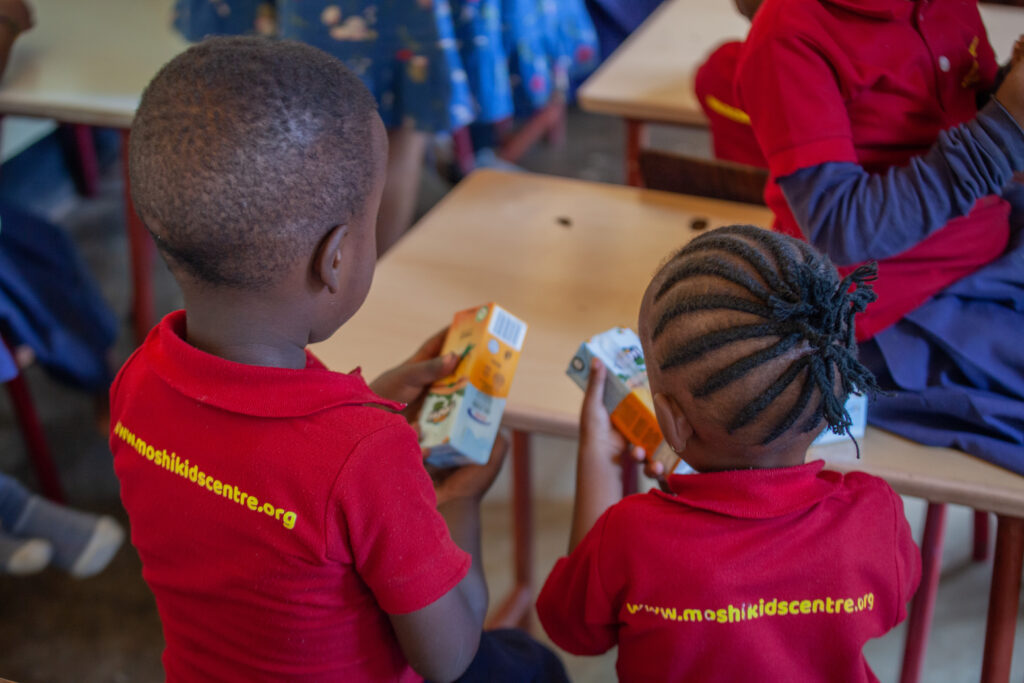
- Daily nutritious meals at our educational centre
- Nutrition education for families
- Food security initiatives that support whole households
3. Healthcare Access
Health and education are inseparable. We provide:
- Regular medical checkups and treatments
- Vision and hearing screenings
- Mental health and counseling services
- Health education programs
4. After-School Support
Learning doesn’t stop when school ends. We offer:
- Homework assistance and tutoring
- Mentorship programs with positive role models
- Life skills training and youth development
- Safe recreational spaces for play and social development
5. Family Empowerment
Sustainable change requires family involvement. We support parents through:
- Vocational training programs
- Income-generating activities
- Parenting education
- Family counseling and support groups
This comprehensive model addresses not just symptoms but root causes of educational exclusion.
Measuring Our Impact
Transparency and accountability drive everything we do. Our impact includes:
- 800+ children supported with education and comprehensive services
- 90%+ attendance rates among children in our programs
- 85%+ pass rates on national examinations
- 100+ families receiving economic empowerment support
- Countless success stories of children who have gone on to higher education and meaningful careers
You can learn more about our approach and impact in our About Us section.
Real Stories: Education Transforming Lives
Neema’s Story: From Struggling Student to Future Teacher
When 10-year-old Neema first came to Moshi Kids Centre, she was on the verge of dropping out of school. Her single mother worked as a day laborer, earning barely enough to feed the family. School fees and supplies were impossible luxuries.
Today, at 16, Neema is at the top of her class, with dreams of becoming a teacher. Through Moshi Kids Centre’s support, she receives:
- Full educational funding
- Daily nutritious meals
- After-school tutoring
- Mentorship from a female teacher who inspires her
Neema’s mother has also completed vocational training and now runs a small tailoring business, creating sustainable income for the family.
Neema’s story isn’t unique—it’s the story we’re writing with hundreds of children across Moshi.
Community Impact: The Multiplier Effect
When children succeed, communities thrive. We’ve observed:
- Increased school enrollment in areas where we work
- More parents prioritizing education for all their children
- Educated young adults returning to serve their communities
- Reduced child labor and early marriage rates
- Stronger community advocacy for children’s rights
Education creates leaders, problem-solvers, and change-makers who uplift everyone around them.
The Challenges We Still Face
Despite our successes, significant challenges remain:
1. Limited Resources
Demand for our services far exceeds our current capacity. Hundreds of children remain on waiting lists, unable to access the support they desperately need.
2. Economic Pressures on Families
Economic shocks—drought, illness, job loss—can force families to pull children from school even when fees are covered. Our family empowerment programs address this, but sustainable change takes time.
3. Systemic Educational Quality Issues
While we provide supplementary support, broader systemic improvements in teacher training, infrastructure, and curriculum are needed across Tanzania.
4. Cultural Barriers
Particularly for girls, cultural expectations around marriage and family responsibilities sometimes conflict with educational aspirations. We work sensitively within communities to shift these norms.
5. The Need for Long-Term Commitment
Breaking poverty cycles requires sustained, multi-year commitment. Short-term charity doesn’t create lasting change—comprehensive, patient support does.
How Education Investment Compares to Other Anti-Poverty Strategies
While many approaches to fighting poverty have value, education stands out for its:
Sustainability
Unlike food aid or emergency relief, education creates permanent capacity. An educated person can feed themselves, their family, and contribute to community development for a lifetime.
Cost-Effectiveness
The Return on Investment for education is exceptional. Every dollar invested in quality education generates returns many times over in increased productivity, health, and social stability.
Empowerment
Education gives people agency over their own lives. Rather than creating dependency on external support, it builds self-sufficiency and dignity.
Scalability
Educational impact multiplies. One educated person often lifts their entire family and inspires others in their community to pursue education.
This is why Moshi Kids Centre focuses education at the center of our anti-poverty work.
The Role of Community in Educational Success
Why Community-Based Education Works
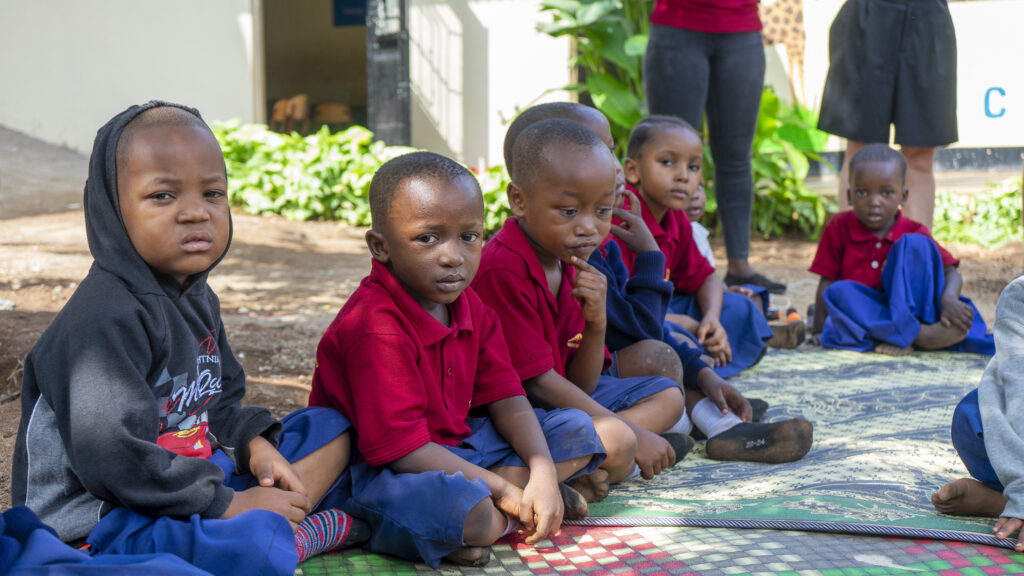
At Moshi Kids Centre, we’ve learned that sustainable educational impact requires deep community integration. Our model succeeds because:
- We partner with local schools rather than operating in isolation
- We involve families in every aspect of their children’s education
- We respect local culture and context while promoting progressive values
- We employ local staff who understand community needs and dynamics
- We build local capacity so impact continues even without external support
Learn more about our community partnerships in our Gallery showcasing collaborative events and activities.
Local Ownership Creates Sustainability
The most successful educational initiatives are those owned and driven by local communities. We see ourselves not as saviors but as partners—walking alongside Tanzanian families and communities as they build their own futures.
How You Can Support Education as a Poverty-Breaking Tool
1. Financial Donations
Every contribution directly funds children’s education and support services. Your donation provides:
- $300/year: Complete primary school support for one child
- $500/year: Secondary school support including exam fees
- $50/month: Comprehensive support including meals, healthcare, and tutoring
- Any amount: Every contribution makes a difference
Donate now to transform a child’s future through education.
2. Child Sponsorship
Sponsor a specific child and build a meaningful connection while providing comprehensive support. Sponsors receive regular updates, photos, and letters from their sponsored child.
3. Volunteer Your Skills
If you have expertise in education, healthcare, social work, or other relevant fields, consider volunteering with us. We seek committed volunteers who can make sustained contributions. Visit our Contact page to learn more.
4. Spread Awareness
Share our work with your networks. Follow us on social media, share our posts, and help us reach more potential supporters. Every person who learns about our work is a potential partner in transforming lives.
5. Corporate Partnerships
If you represent a business or foundation, explore partnership opportunities. Corporate support can provide sustained funding, volunteer resources, and strategic expertise.
Education is Hope, Education is Change
Poverty is not inevitable. It’s not a permanent condition that defines a child’s destiny. With the right support, every child has the potential to learn, grow, and transform their circumstances.
At Moshi Kids Centre, we’ve seen this transformation hundreds of times. We’ve watched children who arrived hungry and hopeless blossom into confident, capable young people ready to shape Tanzania’s future. We’ve seen families move from desperation to stability, from dependency to self-sufficiency.
Education makes this possible. Not charity, but investment. Not pity, but partnership. Not temporary relief, but lasting transformation.
The children of Tanzania deserve this opportunity. The families of Moshi need this support. And with your help, we can expand our reach, deepen our impact, and ensure that poverty doesn’t determine any child’s future.
Join us in breaking the cycle of poverty through education. Together, we’re not just changing lives—we’re changing generations.

Take Action Today
Ready to make a difference? Here’s how to get started:
- Visit our website: moshikidscentre.org
- Make a donation: Every dollar directly supports children’s education
- Contact us: Reach out with questions, volunteer inquiries, or partnership proposals
- Follow our journey: Stay connected for updates, stories, and impact reports
- Share this article: Help others discover the power of education-focused charity
Together, we’re proving that education truly is the key to breaking poverty in Tanzania.