
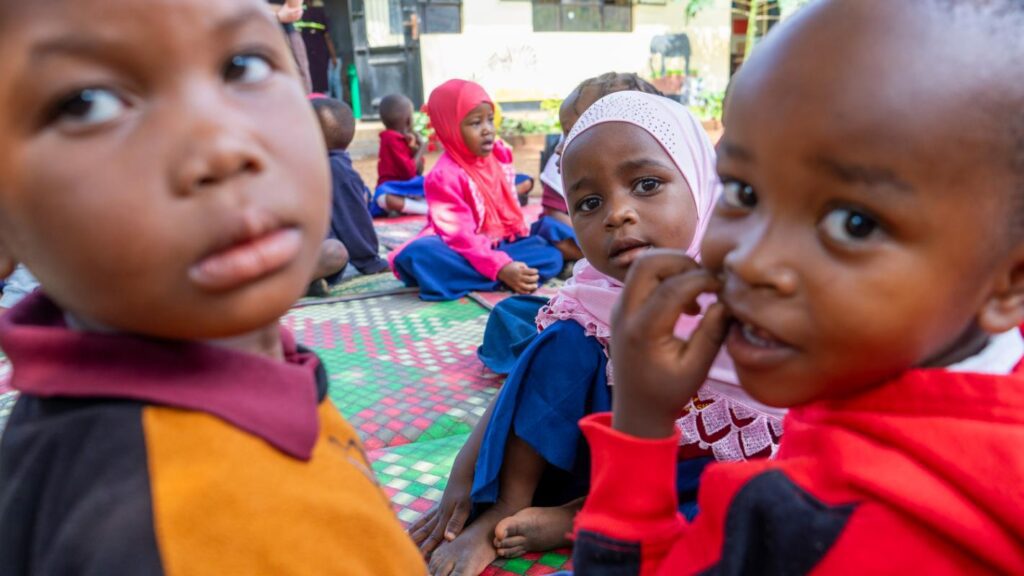
In Moshi, Tanzania, beneath the towering Mount Kilimanjaro, the Moshi Kids Centre transforms lives. Operated by Zara Charity Tanzania, it does more than provide food and education. The Centre teaches children hygiene practices to prevent diseases. These efforts target underserved communities, empowering kids to stay healthy. By focusing on handwashing, dental care, and sanitation, the Centre addresses a critical need. Hygiene education helps children thrive in challenging environments. It’s a vital part of Moshi Kids Centre health programs, ensuring child health in Africa improves.
The Urgent Need for Hygiene in Tanzania
Tanzania struggles with preventable diseases. Poor hygiene and unsafe water cause illnesses like cholera, diarrhea, and typhoid. Globally, over 361,000 children under five die yearly from diarrhea due to poor sanitation. In Tanzania, one-third of childhood deaths relate to hygiene issues. Many urban households don’t treat drinking water, increasing risks of typhoid and dysentery. These diseases disrupt schooling and burden families. Hygiene education Tanzania programs, like those at Moshi Kids Centre, offer hope. Teaching simple practices prevents illness and saves lives. Clean water and proper hygiene are not luxuries—they’re necessities for children’s futures
Engaging Hygiene Workshops for Children
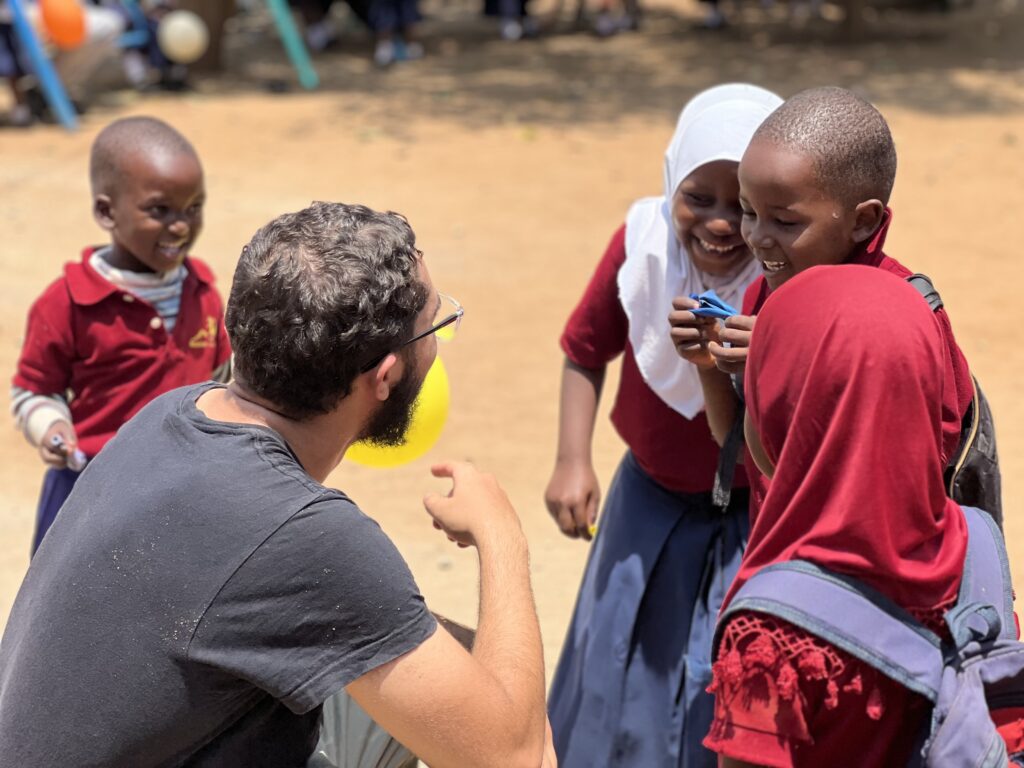
Moshi Kids Centre runs weekly hygiene workshops for kids aged 3–12. Over 800 children have joined these sessions. The workshops make learning fun and practical. Handwashing lessons use puppets to show germs as “invisible monsters.” Kids learn the six-step handwashing method: wet hands, apply soap, scrub palms, backs, fingers, and thumbs for 20 seconds, rinse, and dry. Songs like “Wash Your Hands” make it memorable. Dental care workshops teach brushing and flossing through games. Donated toothbrushes and toothpaste help kids practice. A facilitator shared, “Children love the activities and take pride in clean hands.”
Workshops suit different ages. Younger kids enjoy stories, while older ones lead peer demonstrations. Lessons focus on real-life habits, like washing before meals. Parents notice fewer illnesses. One mother said, “My son used to get sick often, but now he teaches us hygiene.” These sessions are central to Moshi Kids Centre health programs, building habits that improve child health in Africa.
Building Hygiene Infrastructure
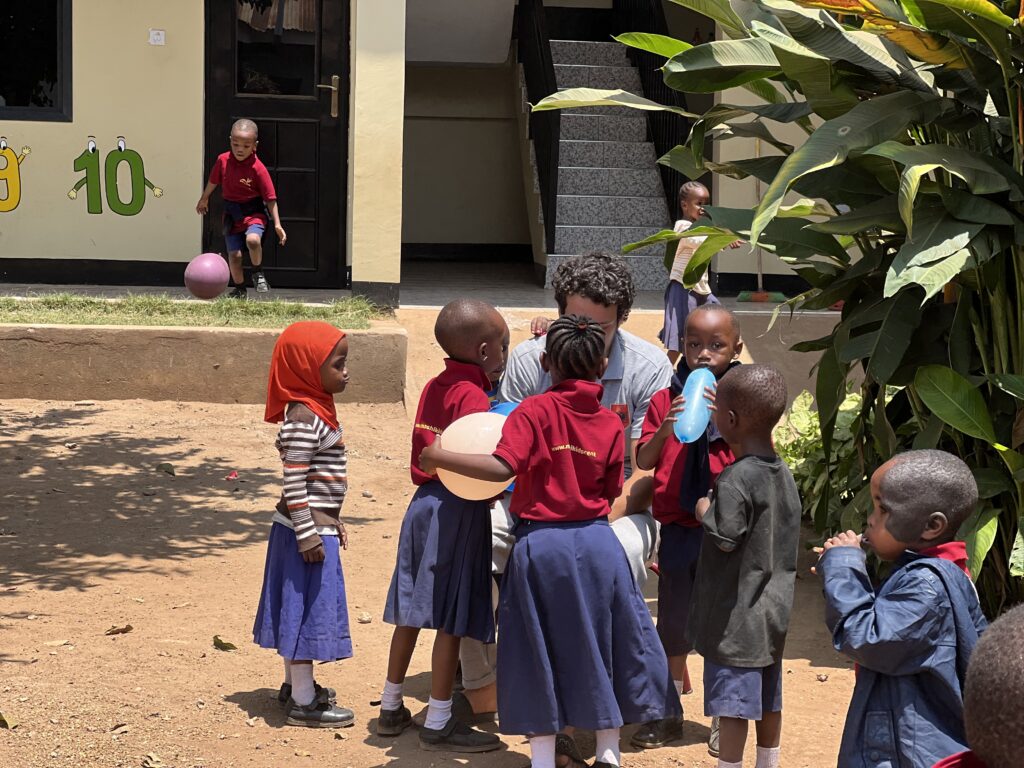
Infrastructure turns lessons into habits. The Centre provides clean latrines and handwashing stations with running water. Hygiene kits include soap, toothbrushes, and sanitary products. These facilities, designed with community input, ensure kids practice hygiene daily. The impact is clear: school absences due to illness have dropped. Diarrhea diseases among attendees have decreased significantly. A teacher noted, “Kids are healthier and attend class regularly now.”
Handwashing stations are near dining areas and classrooms, encouraging use. For girls, sanitary products support menstrual hygiene, reducing dropouts. The Centre maintains clean facilities through regular upkeep. This creates a safe environment where hygiene thrives. By investing in infrastructure, Moshi Kids Centre ensures lasting health improvements for children in Moshi’s underserved communities.
Partnerships That Amplify Impact
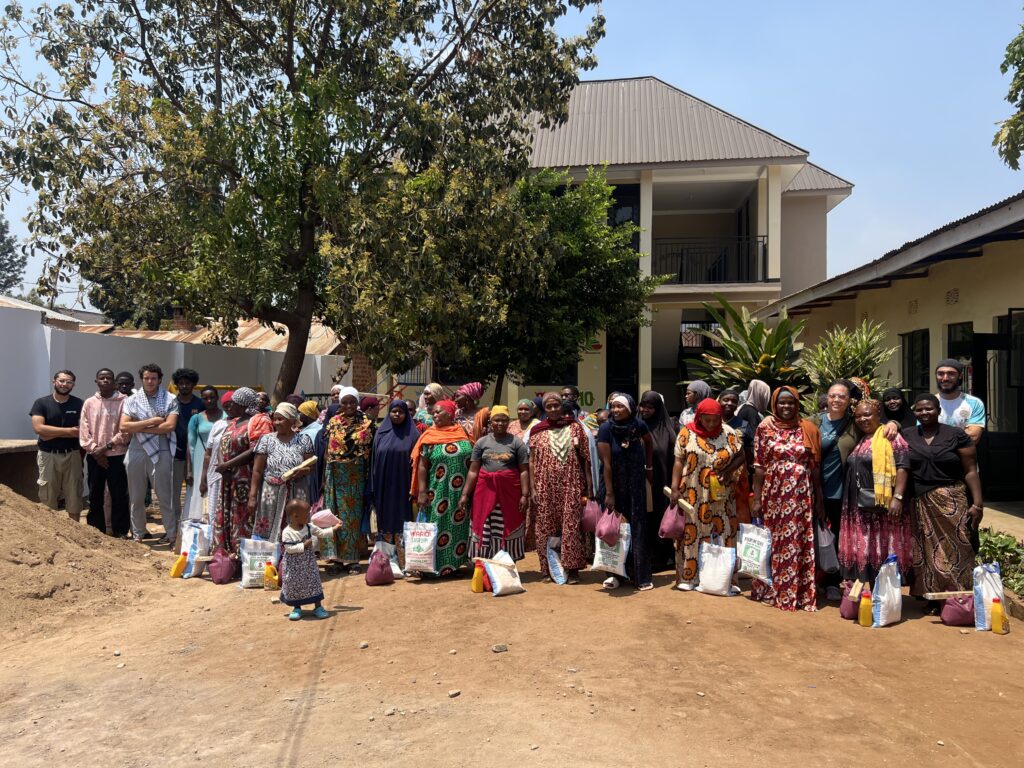
Collaboration strengthens the Centre’s work. Zara Charity Tanzania partners with local health groups to expand hygiene education. Mobile clinics visit Moshi villages monthly, offering check-ups and hygiene supplies. These clinics reach families far from the Centre, spreading hygiene education Tanzania initiatives. Volunteer doctors teach water safety and sanitation, reinforcing workshop lessons.
Global partnerships bring resources. Zara Tanzania Adventures, a tourism arm, funds latrines through visitor donations. International volunteers lead workshops and build facilities. Tree-planting projects improve water quality by reducing runoff. These efforts have wide benefits. Healthier children attend school, letting parents work and boosting family incomes. Partnerships make Moshi Kids Centre health programs a model for child health in Africa.
Community Engagement and Success Stories
Community involvement ensures lasting change. Parents and leaders help plan workshops and maintain facilities. Local health workers, trained by Zara Charity, teach families about boiling water and waste disposal. This builds trust and ownership. A village elder said, “We see fewer sick kids since the Centre’s programs began.”
Success stories show the impact. Aisha, a 10-year-old, once missed school due to stomach infections. After workshops, she learned proper handwashing and dental care. Her health improved, and she now excels academically. Her mother, Fatuma, joined a parent session and ensures the family treats water. Over 80% of participants report fewer illnesses. Teachers note better attendance. These stories highlight how hygiene education transforms lives in Moshi.
Overcoming Challenges, Setting Goals
Challenges persist in Moshi. Limited clean water access complicates hygiene efforts. The Centre relies on donations for kits and repairs. Seasonal rains damage latrines, requiring maintenance. Despite this, the team pushes forward. Future goals include reaching 1,500 children by 2027 and building five new handwashing stations. Solar-powered water purifiers are planned to ensure clean water. These ambitions need donor support to succeed. Every contribution helps overcome barriers and expands impact.
The Power of Hygiene Education
Hygiene education does more than prevent disease. It empowers communities. Healthy kids learn better and dream bigger. Parents gain time to work, lifting families out of poverty. Handwashing reduces diarrhoea by up to 40%, per WHO data. Dental care prevents infections that can lead to serious health issues. Moshi Kids Centre’s focus on hygiene education Tanzania fills a critical gap. Unlike nutrition, hygiene often lacks attention, yet its impact is huge.
The Centre’s approach is comprehensive. Workshops teach skills, infrastructure supports practice, and partnerships extend reach. Community involvement ensures sustainability. This model shows how targeted programs transform underserved areas. It’s a blueprint for improving child health in Africa through simple, effective interventions.

Expanding Hygiene Education’s Reach
To grow, the Centre plans to train more local facilitators. These trainers will bring workshops to remote villages, reaching more children. Community-led hygiene clubs are also in development. Kids in these clubs will teach peers, spreading knowledge. The Centre aims to partner with schools to integrate hygiene into curricula. This ensures every child learns these vital skills. By scaling up, Moshi Kids Centre health programs can impact thousands more.
Donor support is key. Funding new latrines or water purifiers makes a difference. Volunteers can lead workshops or share expertise. Every effort helps build a healthier future. The Centre’s success shows that small actions—like teaching a child to wash their hands—create lasting change.
Join the Movement for Health
You can transform lives at Moshi Kids Centre. Hygiene education prevents diseases and builds brighter futures. Donate a hygiene kit for $20, including soap and toothbrushes. Fund a latrine for $500 to serve a classroom. Your support keeps kids healthy and in school. Visit our donation page or sponsor a classroom. Explore our health workshops or mobile clinics.
Every gift counts. Together, we can strengthen Moshi Kids Centre health programs and improve child health in Africa. Join us to create change—one clean hand at a time.