
Why early learning matters before Standard 1
A child’s educational journey begins long before their first day in Standard 1. The early years provide an important opportunity to develop language, communication, social interaction, curiosity and the confidence to explore the world around them. Through play, guided activities and everyday classroom experiences, children begin building skills that support their transition into formal schooling.
In Tanzania, pre-primary education forms part of this journey. The Education Act, Cap. 353 (Revised Edition 2023), defines pre-primary education as full-time formal education for children aged five and six, provided before primary education. The Act also provides for seven years of primary education and requires a child who has reached the age of seven to be enrolled in primary school.
For children in Moshi, the pre-foundational years before Standard 1 can be an important period of preparation. Becoming comfortable in a classroom, listening to others, expressing ideas, sharing with peers and exploring basic numbers can help children approach their first year of primary school with greater confidence.
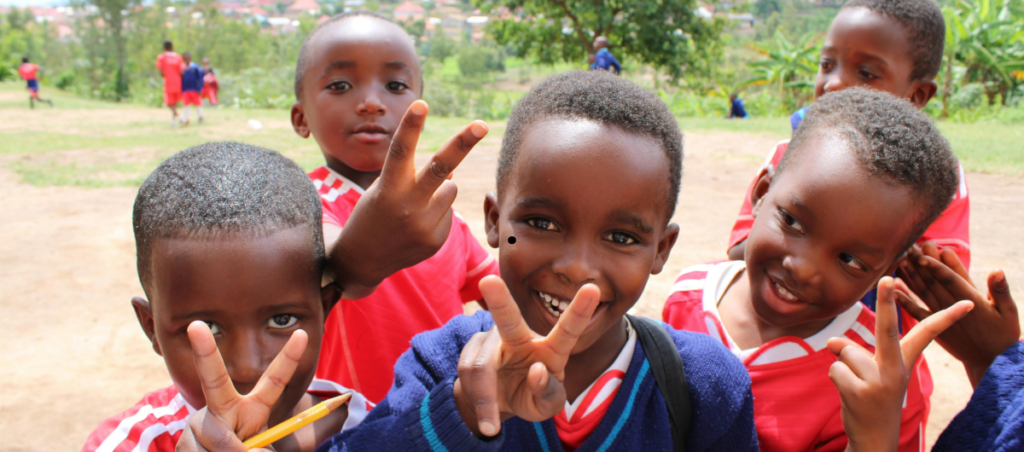
Located on Tembo Road in Pasua, Moshi, Moshi Kids Centre supports young children’s development through a play-based early-learning environment. The centre’s published classroom account describes activities for children aged approximately three to six, covering a broader age range than the statutory definition of pre-primary education in Tanzania.
Through structured routines, guided play and everyday learning experiences, the centre helps children begin developing skills that will support their later transition into primary school. Its early-learning programme should be understood as preparation for formal schooling, rather than Standard 1 teaching.
Understanding pre-primary education in Tanzania
Tanzania’s Education Act provides the legal framework for pre-primary and primary education. It defines pre-primary education as full-time formal education for children aged five and six. Under the same Act, primary education runs for seven years, and enrolment becomes compulsory when a child reaches the age of seven.
UNESCO’s Global Education Monitoring profile for Tanzania adds a useful perspective on access to early education. It identifies six as the official entry age to pre-primary education, reports one year of free pre-primary education in the legal frameworks it reviews, and records a net enrolment rate of 25.5 per cent in 2024. In practical terms, this means that approximately one in four children in the relevant age group was enrolled in pre-primary education, according to that indicator.
Read together, the two sources highlight both the legal place of pre-primary education in Tanzania and the continuing importance of access. While the Education Act sets out the statutory framework, UNESCO’s profile offers an indication of participation in 2024. For communities such as Pasua, access to supportive early-learning environments remains an important part of the wider conversation about children’s educational opportunities.
How Moshi Kids Centre supports early learning
Moshi Kids Centre describes its work as supporting children through education and a safe place to learn. Its published materials have previously cited more than 800 children helped through its work.
At the centre, early learning is built into the everyday rhythm of the classroom. Through a combination of play, guided activities and familiar routines, children are encouraged to explore, communicate and develop at their own pace.
The centre’s published classroom account describes a typical day for children aged approximately three to six. The day begins with a warm welcome and familiar routines, including putting away bags and washing hands. During circle time, children participate in songs, stories and group conversations that encourage listening, speaking and taking turns.
Free play gives children opportunities to explore materials such as building blocks, art supplies, books and puzzles. Teachers observe, guide and support the children as they experiment, interact and develop their ideas. Short, guided activities introduce concepts such as colours, shapes, counting and letters through practical exercises, songs and tracing.
Outdoor play provides further opportunities for movement, interaction and exploration. Throughout the day, teachers observe children’s participation and progress, using everyday activities to understand where each child may need encouragement or additional support.
Learning is closely connected to a child’s health and wellbeing. Moshi Kids Centre describes daily meals as part of its wider support for children in Pasua. Its published nutrition programme includes familiar local foods such as ugali, rice and bananas, served alongside beans and vegetables, with eggs, fish or meat included when available. Seasonal fruit is also provided where possible.
Where a child needs medical attention beyond the support available at the centre, the child is referred to a local clinic or hospital. Staff may also arrange accompaniment and follow-up after treatment.
Moshi Kids Centre is located on Tembo Road, Pasua, Moshi, in Tanzania’s Kilimanjaro Region. Families, supporters and other interested members of the community can contact the centre by email at moshikidscentre@gmail.com or by phone on +255 755 03 12 73.
Those who wish to support the centre’s work can explore its child sponsorship and donation options through the official website. Contributions help support the wider work described by the centre, including education, nutrition and essential care.
What a young child practises before primary school
The transition to primary school involves more than just recognising letters and numbers. Children also begin developing the social, communication and practical skills that help them participate in a given classroom environment. In Tanzania, primary education runs for seven years, with enrolment compulsory from the age of seven.
At circle time, children practise listening, speaking and taking turns. During free play, they learn to communicate, share materials, explore different roles and solve small problems with guidance. Counting activities introduce early numeracy through real objects, while outdoor play encourages movement, cooperation and interaction with others. Everyday routines, including handwashing and eating together, also help children develop independence and confidence.
These experiences do not replace primary education. Instead, they help children become familiar with some of the routines, relationships and foundational skills that support the transition into a more formal learning environment.
The relationship between the centre and a child’s family is also important. Where parents and carers are involved in the learning process, sharing simple updates and activities can help reinforce a child’s learning beyond the classroom.
How community support helps sustain early learning
Gifts are described by the centre as support for education, food, school supplies, and essential care. Sponsorship is offered for a named child, with updates on progress. The practical items a pre-primary day uses are ordinary: materials for play and guided activities, food for the kitchen, and the basic health supplies and referral costs the health page describes.
For those interested in learning more about the centre’s programmes, sponsorship opportunities or ways to contribute, reach out to us through our contact page. We’re located on Tembo Road, Pasua, Moshi, Kilimanjaro.
Questions parents and donors ask
What is pre-primary education in Tanzania?
It is full-time formal education for children of five and six years of age, given before primary education. Primary enrolment is compulsory from age seven.
What ages does Moshi Kids Centre describe for its early-learning day?
The centre’s classroom account is for children aged about three to six. That includes the statutory pre-primary ages and also younger children in the same play-based day.
Does this mean the centre teaches Standard 1?
No. The published early-learning day prepares children for later primary school. Standard 1 is the first year of primary education, which the Act places from age seven.
Where is the centre?
Tembo Road, Pasua, Moshi, Kilimanjaro, Tanzania. Email moshikidscentre@gmail.com. Phone on the contact page: +255 755 03 12 73.