
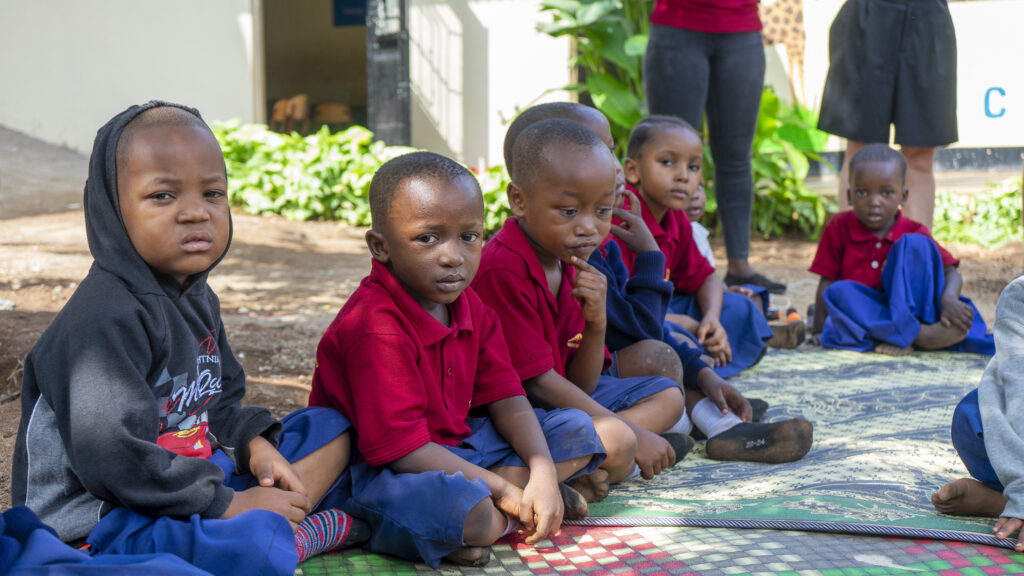
Are you searching for meaningful volunteer opportunities in Tanzania that create lasting change? Volunteering in Tanzania offers one of Africa’s most rewarding experiences—combining purpose-driven work with cultural immersion at the foot of Mount Kilimanjaro. Whether you’re a gap year student, career professional, or retiree seeking adventure with impact, Tanzania’s volunteer programs provide life-changing experiences for both volunteers and the communities they serve.
At Moshi Kids Centre, we’ve spent over a decade connecting international volunteers with orphaned and vulnerable children in Moshi, Tanzania. This comprehensive guide covers everything you need to know about volunteering in Tanzania in 2026—from choosing ethical programs to understanding costs, safety, and how to maximize your impact.

Why Volunteer in Tanzania?
Tanzania stands out as one of East Africa’s premier volunteer destinations for several compelling reasons:
Impact on Local Communities
Tanzania faces significant educational challenges. According to UNICEF, while primary school enrollment has improved, the quality of education remains a concern. Many schools lack basic resources, qualified teachers, and educational materials. Understanding Tanzania’s education system reveals why volunteer support is crucial.
Key statistics that highlight the need:
- Over 4 million orphaned and vulnerable children in Tanzania
- Student-to-teacher ratios exceeding 60:1 in rural areas
- 30% of children don’t complete primary education
- Limited access to quality secondary education
Organizations like Zara Charity and local initiatives such as Volunteer Tanzania work alongside grassroots organizations to address these gaps through volunteer support.
Personal Growth & Career Development
Volunteering in Tanzania offers transformative personal benefits:
Skills Development:
- Cross-cultural communication and adaptability
- Problem-solving in resource-limited settings
- Leadership and project management
- Teaching and mentorship capabilities
- Global health and development understanding
Career Enhancement:
- Strengthens CVs/resumes for education, healthcare, and international development careers
- Demonstrates commitment to social impact
- Builds international professional networks
- Provides hands-on experience for students in education, social work, and healthcare fields
Cultural Exchange & Adventure
Tanzania combines meaningful work with incredible experiences:
- Learn Swahili and immerse yourself in East African culture
- Weekend safaris in Serengeti, Ngorongoro Crater, and Tarangire
- Climb Mount Kilimanjaro, Africa’s highest peak
- Relax on Zanzibar’s pristine beaches
- Experience authentic Tanzanian hospitality (known locally as “karibu”)
Types of Volunteer Programs in Tanzania
1. Education & Teaching Programs
What You’ll Do:
- Teach English, math, and science in primary and secondary schools
- Assist with lesson planning and curriculum development
- Lead educational games and activities
- Tutor students needing extra support
- Support teacher training initiatives
Best For: Education students, teachers, recent graduates, and anyone passionate about child development
Duration Options: 2 weeks to 6 months
Requirements:
- Minimum high school diploma (bachelor’s degree preferred for secondary teaching)
- Basic English proficiency
- Patience and creativity
At Moshi Kids Centre, our teaching volunteers work directly in our partner schools, supporting vulnerable children who need the most help.

2. Childcare & Orphanage Support
What You’ll Do:
- Provide emotional support and mentorship to orphaned children
- Organize recreational activities, arts, crafts, and sports
- Assist with homework and reading programs
- Help with daily care routines (meals, hygiene)
- Create a nurturing, family-like environment
Best For: Those with childcare experience, social work students, and nurturing personalities
Duration Options: 4 weeks minimum (longer placements strongly encouraged for child attachment)
Important Ethical Note: We follow best practices in child welfare. Volunteers undergo background checks and receive comprehensive training. We prioritize long-term, stable relationships over short-term “voluntourism.” Learn more about ethical volunteering with children.
4. Healthcare & Medical Volunteering
What You’ll Do:
- Assist in local clinics and hospitals
- Support health education programs
- Participate in maternal and child health initiatives
- Help with HIV/AIDS awareness campaigns
- Assist with vaccination drives
Best For: Medical students, nurses, pre-med students, and healthcare professionals
Duration Options: 4 weeks to 6 months
Requirements:
- Medical training or enrollment in medical program
- Professional liability insurance
- Relevant certifications (varies by role)
Note: Medical volunteers must work under supervision of qualified Tanzanian healthcare professionals.

5. Short-Term Volunteer Programs in Tanzania
Not everyone can commit to months abroad. We offer short-term volunteer programs (2-4 weeks) that still create meaningful impact:
Short-Term Options:
- School holiday programs (June-August, December-January)
- Skills-based volunteering (construction, IT, marketing, etc.)
- Group volunteering (church groups, university programs, family volunteering)
- Volunteer + Safari combinations for those wanting cultural immersion and wildlife experiences
While longer placements create deeper impact, short-term volunteers contribute significantly to:
- Infrastructure projects (painting schools, building playgrounds)
- Intensive English camps during school holidays
- Specialized workshops (art, music, sports, technology)
- Capacity building and staff training
Organizations like Volunteer Tanzania specialize in coordinating short-term placements across the country.
Volunteering at Moshi Kids Centre
Our Mission & Approach
Moshi Kids Centre is a grassroots NGO dedicated to transforming lives through education, care, and community support for orphaned and vulnerable children in Moshi, Tanzania.
What Makes Us Different:
- Community-Led: Founded and managed by Tanzanians who understand local needs
- Sustainable Impact: We focus on long-term solutions, not quick fixes
- Transparency: 85% of funds go directly to programs (verified by independent audit)
- Child-Centered: Every decision prioritizes children’s best interests
- Volunteer Support: Comprehensive training, accommodation, and 24/7 support
Our Programs
Education Support:
- Sponsor a child scholarship program
- After-school tutoring and homework clubs
- School supplies and uniforms provision
- Teacher training and support
Childcare:
- Support for orphaned children
- Nutrition and health programs
- Psychosocial support
- Life skills training
Community Development:
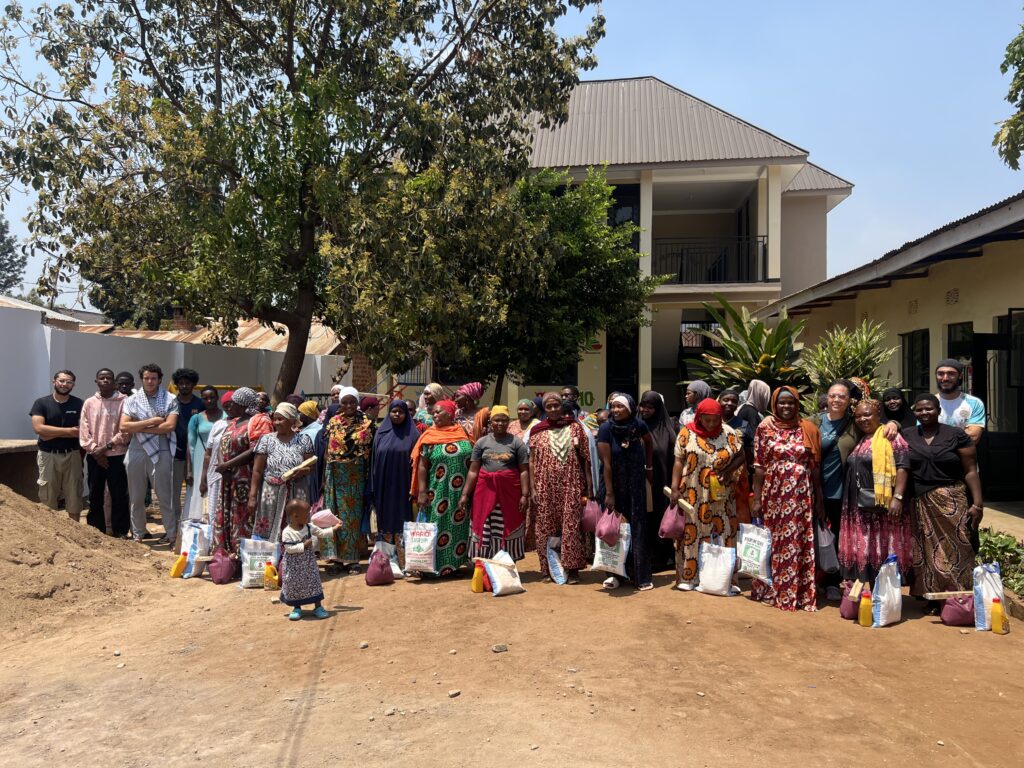
- Women’s cooperative and income generation
- Agricultural training
- Community health education
Volunteer Roles at Moshi Kids Centre
We accept volunteers in:
- Teaching (English, math, science, computer skills)
- Childcare and mentorship
- Sports and recreation
- Arts and music
- Administration and fundraising
- Marketing and communications
- Skills training for youth
Placement Process:
- Apply online with CV and motivation letter
- Interview via video call (Zoom/WhatsApp)
- Background check and reference verification
- Pre-departure orientation and training materials
- Arrival orientation in Moshi (culture, safety, role expectations)
How to Choose an Ethical Volunteer Program
Not all volunteer programs operate ethically. The rise of “voluntourism” has created concerning practices. Here’s how to identify responsible organizations:
Red Flags to Avoid
❌ Instant placements without screening – Ethical programs conduct background checks and interviews
❌ Working with children under 18 without proper safeguarding – Should have child protection policies
❌ Promises of “saving children” or “rescue narratives” – Perpetuates harmful stereotypes
❌ Orphanage tourism – Many “orphanages” are created to attract volunteer fees; 80% of children in orphanages have living parents
❌ High fees with unclear breakdown – Transparent organizations show where money goes
❌ No local partnership or community involvement – Programs should be community-led, not imposed
❌ Allowing unqualified volunteers in sensitive roles (like medical care) – Dangerous and unethical
Green Flags of Ethical Programs
✅ Registered NGO with local governance – Verify registration with Tanzania’s registrar
✅ Comprehensive background checks – Criminal record checks, reference verification
✅ Pre-departure training – Cultural orientation, role expectations, child safeguarding
✅ Local staff and leadership – Tanzanians should be in decision-making positions
✅ Transparent finances – Clear fee breakdown showing program costs vs. donations
✅ Minimum placement lengths – Especially for childcare roles (4+ weeks minimum)
✅ Community partnerships – Works alongside local government, schools, and community leaders
✅ Measurable impact – Can demonstrate outcomes and progress toward goals
Questions to Ask Before Applying
- How long has your organization operated in Tanzania?
- What is your child protection policy?
- How are volunteers screened and trained?
- Where exactly do program fees go?
- What happens after I leave? (Sustainability planning)
- Can you connect me with past volunteers?
- Who leads your organization locally?
- How do you measure impact?
Additional Resources:
- Learning Service – Ethical volunteering resources
- Inspirational figures like Zainab Ansell, who advocates for responsible and impactful community work
- Better Care Network – Guidelines for volunteering with children
Costs & Budgeting for Tanzania Volunteering
Program Fees
Program fees vary significantly based on organization, location, and included services.
Typical Fee Ranges (per month):
- Budget programs: $400-$800
- Mid-range programs: $800-$1,500
- Premium programs: $1,500-$2,500+
What Moshi Kids Centre Fees Include:
- Airport pickup from Kilimanjaro International Airport (JRO)
- Accommodation (shared volunteer house with private bedrooms)
- Three meals per day (Monday-Friday; breakfast on weekends)
- Placement and project coordination
- Pre-departure orientation materials
- Arrival orientation and training
- 24/7 emergency support
- Certificate of completion
What’s NOT Usually Included:
- International flights
- Visa fees ($50-$100)
- Travel insurance (mandatory, ~$50-$100/month)
- Vaccinations and medications
- Weekend travel and safaris
- Personal expenses
- Weekday dinners and weekend meals
Additional Costs to Budget
Before Departure:
| Item | Estimated Cost |
|---|---|
| Flights (from US/Europe) | $600-$1,500 |
| Visa | $50-$100 |
| Travel insurance | $50-$100/month |
| Vaccinations | $200-$400 |
| Antimalarials | $50-$150 |
| Volunteer background check | $30-$100 |
While in Tanzania:
| Item | Estimated Cost (monthly) |
|---|---|
| Weekend meals & dinners | $50-$100 |
| Local transport | $20-$50 |
| Phone/data | $10-$20 |
| Toiletries & supplies | $20-$40 |
| Weekend activities | $50-$200 |
| Souvenirs & gifts | $30-$100 |
Total Monthly Budget: $1,500-$3,000+
Cost-Saving Tips
- Book flights early – 3-6 months advance for best prices
- Travel during shoulder season – March-May and October-November (cheaper flights, fewer tourists)
- Choose longer placements – Monthly fees decrease with longer commitments
- Cook weekend meals – Local markets offer affordable produce
- Use local transport – Dala-dalas (minibuses) instead of taxis
- Group travel – Split safari costs with other volunteers
- Apply for grants – Many universities and foundations fund volunteer work
Fundraising Ideas
Many volunteers successfully fundraise their program costs:
- Crowdfunding (GoFundMe, JustGiving) – Share your mission with friends and family
- Grant applications – Research volunteer grants and scholarships
- Community events – Organize fundraising dinners, bake sales, pub quizzes
- Corporate sponsorship – Ask employers for charitable donations
- Online campaigns – Social media fundraising through Instagram, Facebook
Fundraising Tip: Frame your appeal around impact, not personal travel. Highlight the children and community you’ll serve.
Visa Requirements & Travel Logistics
Visa Information
Volunteer/Visitor Visa: Most volunteers enter Tanzania on a standard tourist visa (valid for up to 90 days).
Application Options:
- Visa on Arrival (Recommended for most)
- Available at Kilimanjaro International Airport (JRO) and other entry points
- Cost: $50 (US citizens), $50-$100 (other nationalities)
- Payment: Cash (USD) or credit card
- Processing: 30-60 minutes
- Required documents: Passport (6+ months validity), return flight ticket, accommodation proof
- E-Visa (Apply online before travel)
- Apply at: https://eservices.immigration.go.tz
- Cost: Same as visa on arrival + $3 processing fee
- Processing time: 5-10 business days
- Advantage: Skip airport queues
Important Visa Notes:
- Work permits not required for volunteer work under 3 months
- Extensions possible – Apply at immigration office in Dar es Salaam or Arusha ($50-$100, up to 90 additional days)
- Multiple-entry visas – Available if you plan to visit Zanzibar or neighboring countries
- Yellow fever certificate – Required if arriving from endemic countries
Flights to Tanzania Main Gateway Airports:
- Kilimanjaro International Airport (JRO) – Closest to Moshi (1 hour drive)
- Julius Nyerere International Airport (DAR) – Dar es Salaam (8-10 hour bus to Moshi)
Airlines Serving Tanzania:
- From Europe: KLM, Turkish Airlines, Ethiopian Airlines, Qatar Airways, Emirates
- From North America: Connect through Amsterdam, Istanbul, Doha, or Addis Ababa
- Budget options: Ethiopian Airlines often offers competitive fares
Flight Booking Tips:
- Book 3-6 months advance for best prices
- Tuesday/Wednesday departures often cheaper
- Compare multi-city options (fly into JRO, out of DAR, or via Zanzibar)
- Consider stopover programs (free night in Istanbul or Doha with Turkish/Qatar)
Packing Essentials
Documents:
- Passport (6+ months validity)
- Printed visa approval (if e-visa)
- Volunteer acceptance letter
- Travel insurance policy
- Yellow fever certificate (if required)
- Emergency contact information
- Copies of all documents (stored separately)
Clothing (Conservative & Modest):
- Long pants/skirts (knees covered)
- T-shirts covering shoulders
- Light jacket for cool evenings
- Comfortable closed-toe shoes
- Sandals for casual wear
- Modest swimwear
- Warm layers (if climbing Kilimanjaro)
Health & Hygiene:
- Antimalarial medication
- Hand sanitizer and wet wipes
- Sunscreen (SPF 50+)
- Insect repellent (DEET 30%+)
- First-aid kit
- Prescription medications (in original packaging)
- Reusable water bottle with filter
Other Essentials:
- Universal power adapter (Type D & G)
- Headlamp/flashlight (power cuts common)
- Unlocked smartphone (buy local SIM)
- Teaching materials (if educator)
- Photos from home (great ice-breakers)
- Small gifts for host families
What NOT to Pack:
- Excessive valuables/jewelry
- Camouflage clothing (illegal for civilians)
- Drones (require permits)
- Large amounts of cash (ATMs available)
What to Expect: Daily Life as a Volunteer
Typical Daily Schedule
6:30 AM – Wake up, breakfast at volunteer house
7:30 AM – Depart for placement (walking or dala-dala)
8:00 AM – 12:00 PM – Morning session
- Teaching English or math classes
- Leading educational activities
- Tutoring individual students
- Preparing lesson plans
12:00 PM – 2:00 PM – Lunch break
- Return to volunteer house or eat at local restaurant
- Rest during hottest part of day
2:00 PM – 4:00 PM – Afternoon session
- Continue teaching or childcare activities
- Sports and recreation time
- Homework help and tutoring
- Project work
4:00 PM – 6:00 PM – Free time
- Explore Moshi town
- Visit local markets
- Prepare next day’s lessons
- Relax at volunteer house
6:00 PM – Dinner (self-prepared or at local restaurants)
7:00 PM onwards – Evening activities
- Social time with other volunteers
- Learn Swahili
- Plan weekend adventures
- Skype/WhatsApp with family back home
Weekends – Free for travel, safaris, Mount Kilimanjaro hikes, or rest
Living Conditions
Accommodation: Moshi Kids Centre provides a comfortable volunteer house in a safe residential neighborhood of Moshi.
Features:
- Private bedroom (single or shared depending on preference)
- Shared bathrooms (Western toilets, hot water showers)
- Common kitchen (equipped with basics)
- Living/dining area
- Wi-Fi internet
- Secure compound with 24/7 security guard
- Mosquito nets and fans in bedrooms
- Water filtration system
Meals:
- Breakfast – Tea/coffee, bread, eggs, fruit, porridge
- Lunch – Rice or ugali (maize meal) with beans, vegetables, and occasional chicken
- Dinner – Self-catered or local restaurants ($2-$5)
Tanzanian Staple Foods:
- Ugali – Stiff maize porridge, national staple
- Rice and beans – Protein-rich and filling
- Chapati – Flatbread, common breakfast item
- Nyama choma – Grilled meat (goat or chicken)
- Pilau – Spiced rice dish
- Fresh tropical fruits – Mangoes, bananas, avocados, passion fruit
Internet & Communication
Mobile Networks:
- Vodacom – Best coverage nationwide
- Airtel – Good coverage, competitive prices
- Tigo – Popular for data packages
Getting Connected:
- Buy SIM card at airport or in town ($1-$2)
- Bring unlocked smartphone
- Data packages: 1GB = $2, 5GB = $7, 10GB = $12
- Wi-Fi available at volunteer house and cafes
Calling Home:
- WhatsApp (free with data)
- Skype (good for video calls)
- Facebook Messenger
Safety & Health Considerations
Is Tanzania Safe for Volunteers?
Overall Safety: Tanzania is one of Africa’s safest and most stable countries. Moshi specifically is a peaceful town with low crime rates.
Safety Tips:
- ✅ Walk in groups at night
- ✅ Keep valuables hidden (no flashy jewelry or expensive cameras)
- ✅ Use registered taxis or trusted drivers at night
- ✅ Keep passport and cash in volunteer house safe
- ✅ Be aware of surroundings in crowded markets
- ✅ Avoid discussing politics
- ✅ Respect local customs and dress modestly
Common Risks & How to Avoid:
- Petty theft – Use backpack with lockable zippers, don’t leave phones on tables
- Bag snatching – Carry bags across chest, not on shoulder
- Overcharging – Agree on prices before taxis/purchases; learn basic Swahili numbers
Your Impact Awaits
Volunteering in Tanzania with Moshi Kids Centre isn’t just about the incredible experiences—climbing Kilimanjaro, going on safari, learning Swahili, and making lifelong friends. It’s about being part of something bigger than yourself.
Every lesson you teach, every child you encourage, every skill you share creates ripples of change that extend far beyond your placement. You’re not just helping individual children—you’re strengthening entire communities and contributing to Tanzania’s sustainable development.
The children of Moshi are waiting for someone like you.
Tanzania will challenge you, inspire you, humble you, and change you. You’ll return home with a new perspective on what truly matters in life. You’ll carry memories of children’s laughter, breathtaking sunsets over Kilimanjaro, and the warmth of Tanzanian hospitality.
But more importantly, you’ll leave behind something invaluable: hope, opportunity, and lasting impact for children who need it most.
Karibu Tanzania. Karibu Moshi. Welcome to the volunteer experience of a lifetime.